

-
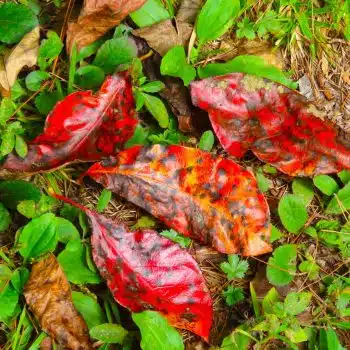
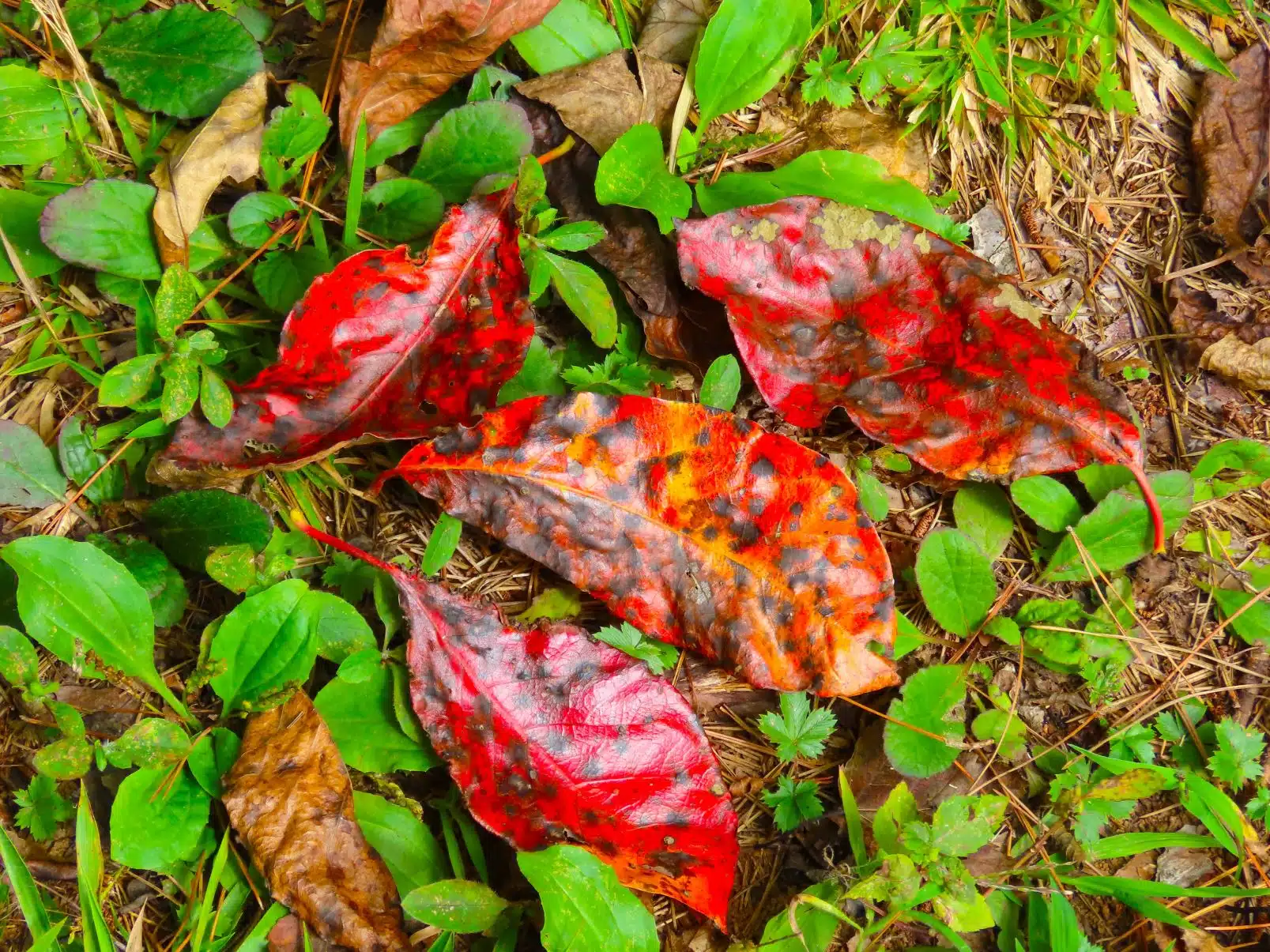
- In September black gum leaves start to turn red to advertise dark fruits
-
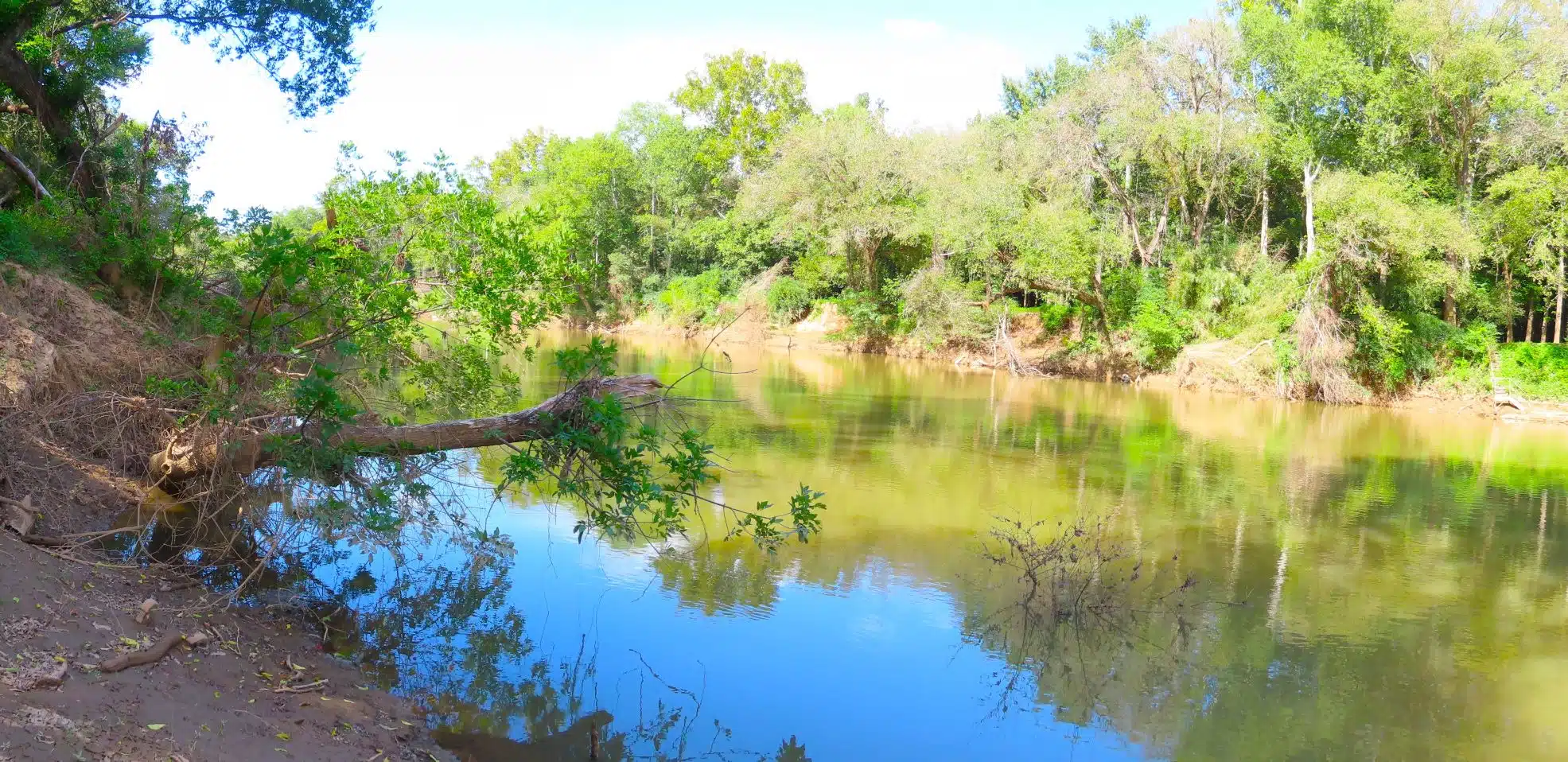
- The Haw River at very low flow
-
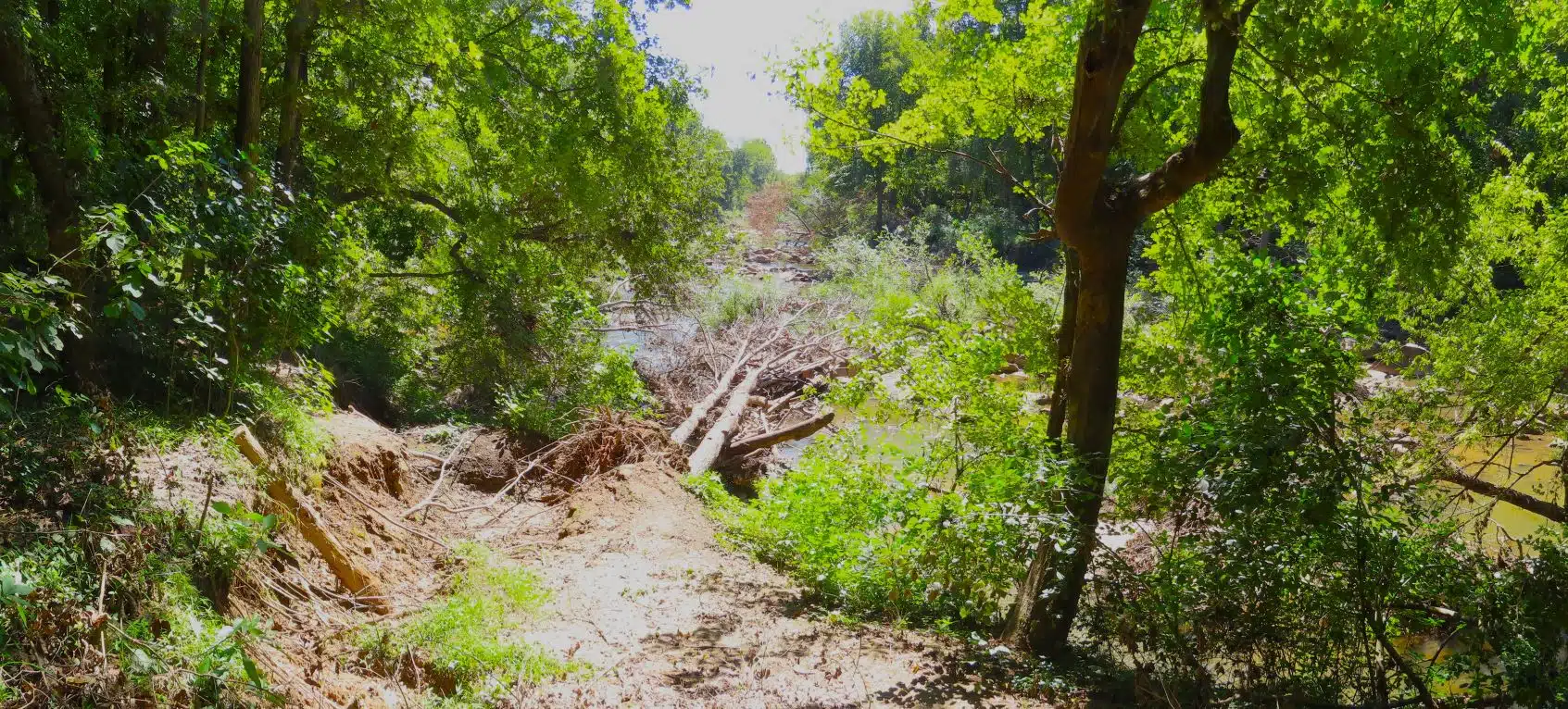
- A bank slump after heavy rains due to subsurface water flow
-
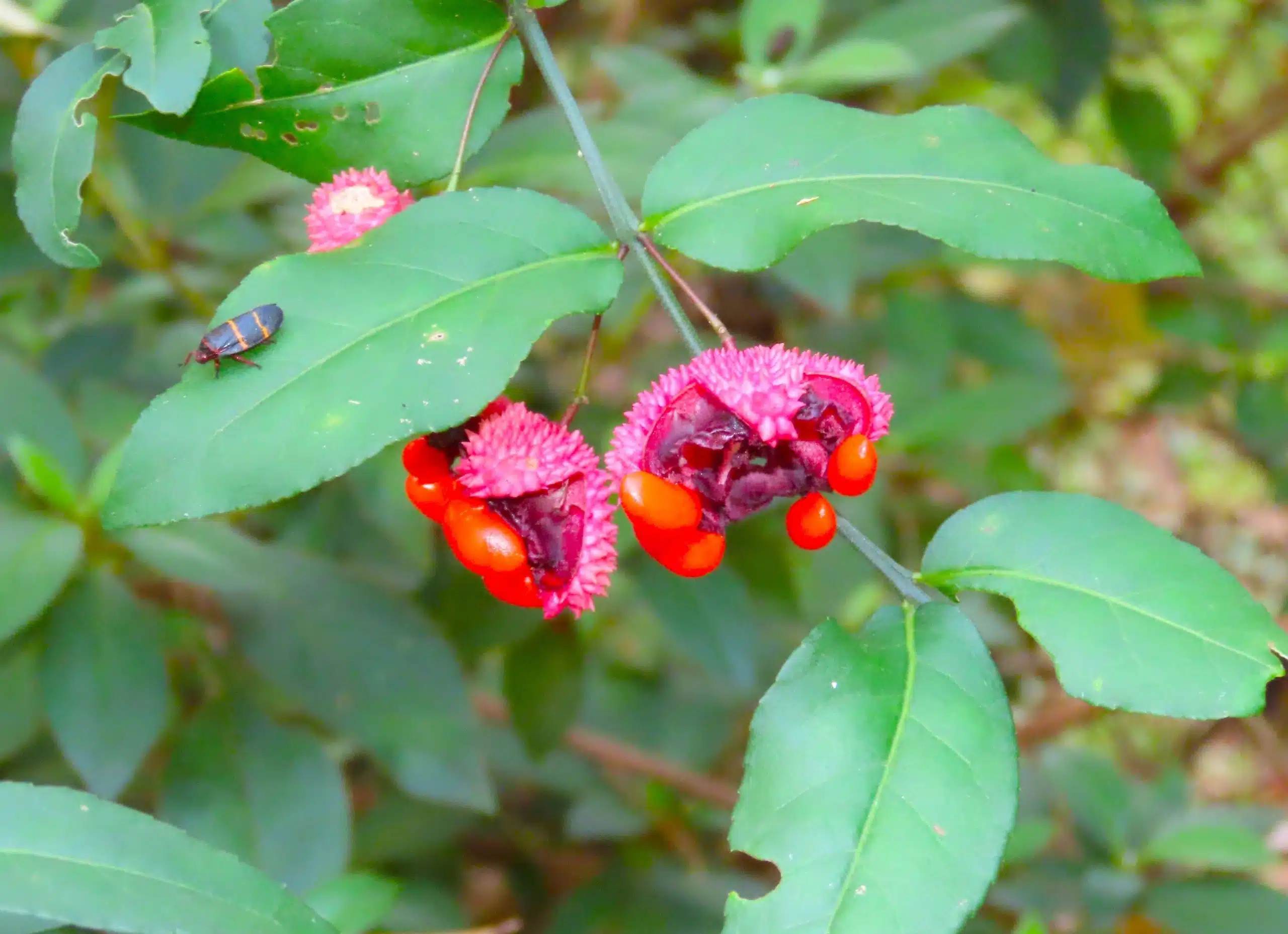
- Hearts a busting fruits
-
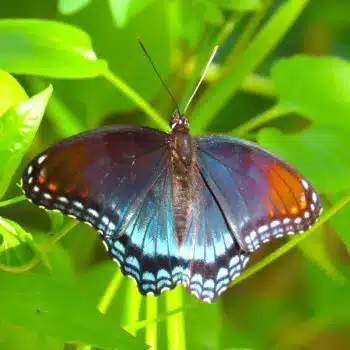
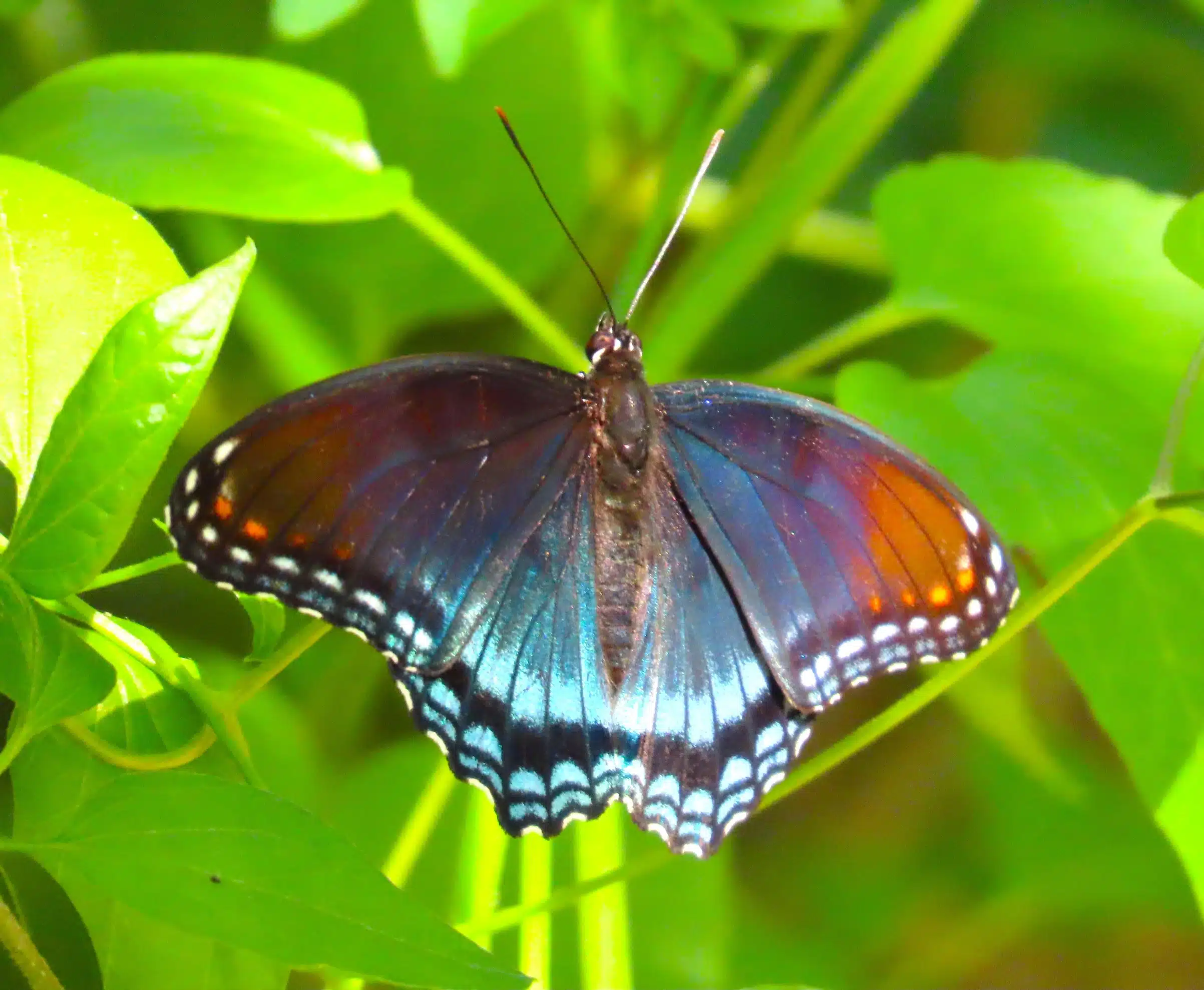
- Inside wings of red spotted purple
-
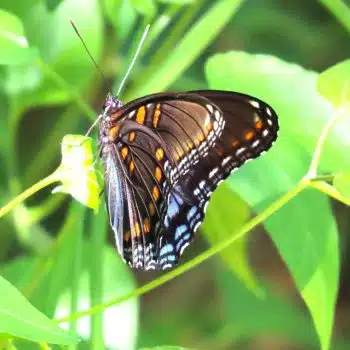
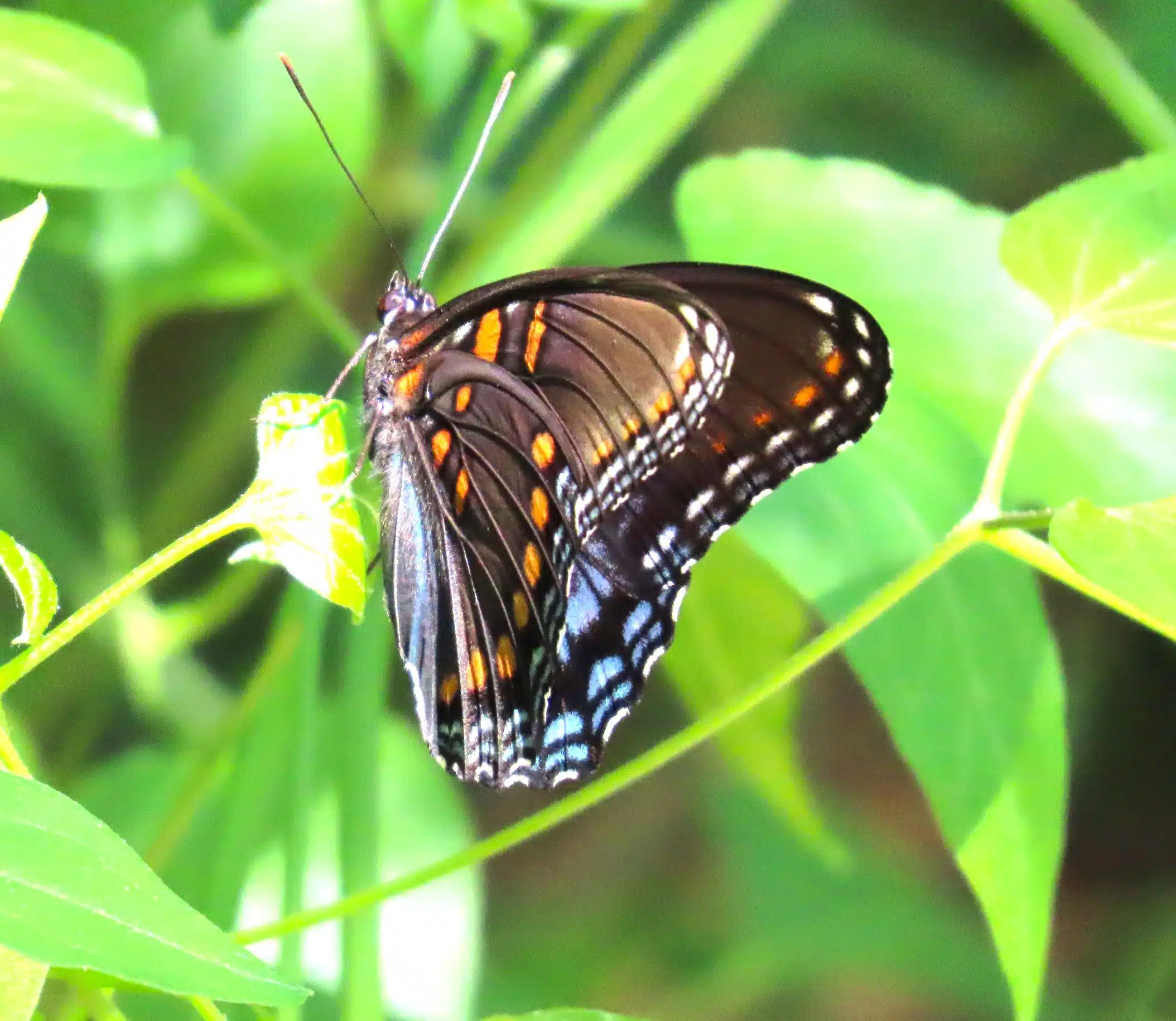
- Outer wings have orange spots
-

- The inner wings of the spicebush swallowtail mimic the pipevine

-

- The outer wings of the spicebush swallowtail are unusual in that there are two rows of orange spots

-
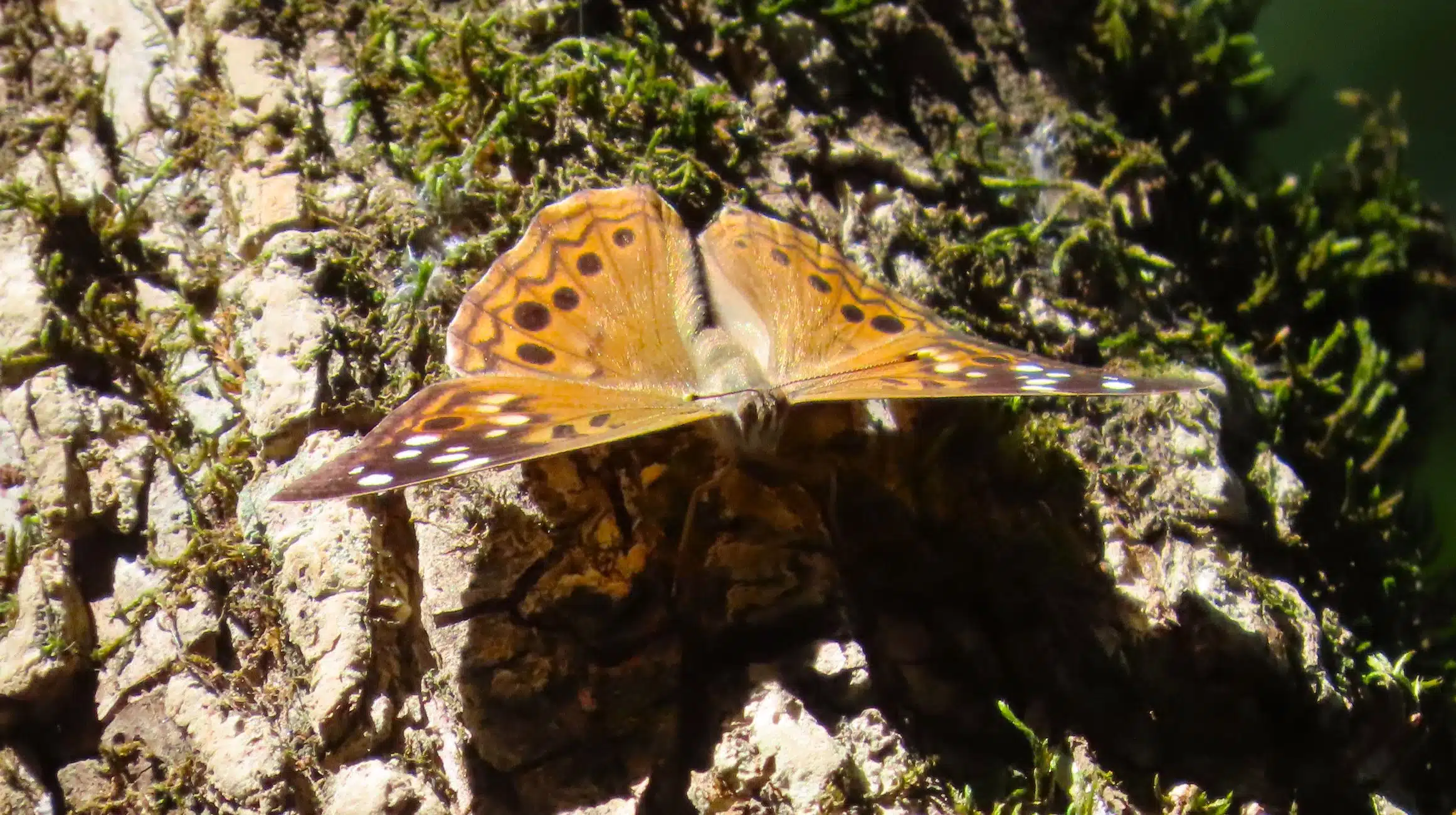
- This hackberry emperor is basking in a light gap
-
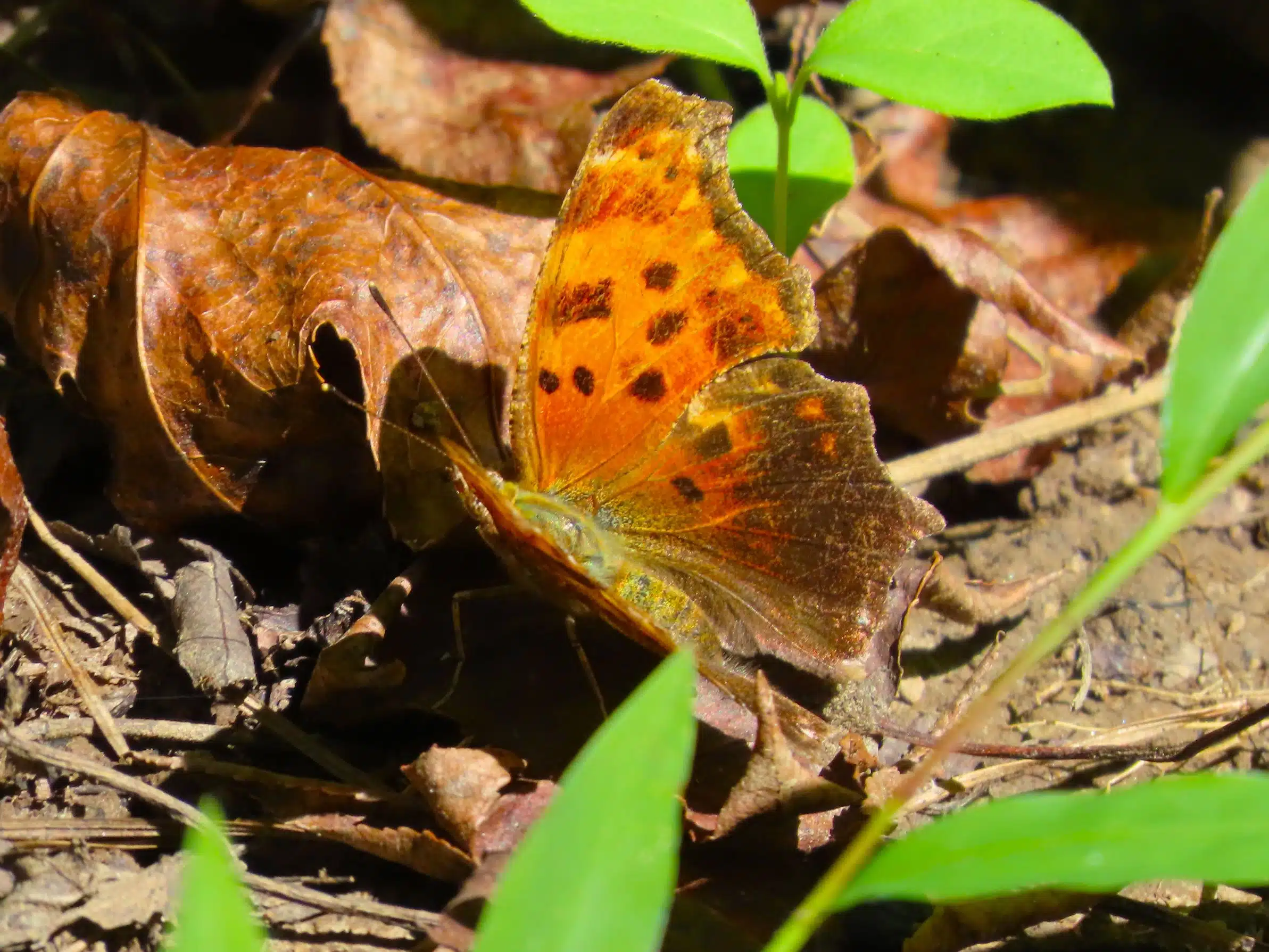
- The comma butterfly is rarely seen at flowers
-

- These sleepy orange butterflies are puddling along the riverbank to get sodium

-
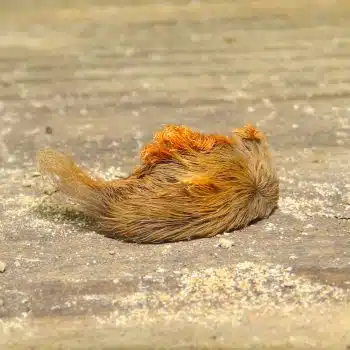
- A puss caterpillar is very toxic
-

- The white tussock moth caterpillar is mildly toxic

-

- The bee wolf wasp is solitary and feeds on bees and nectar

-
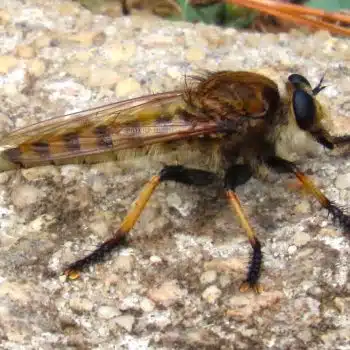
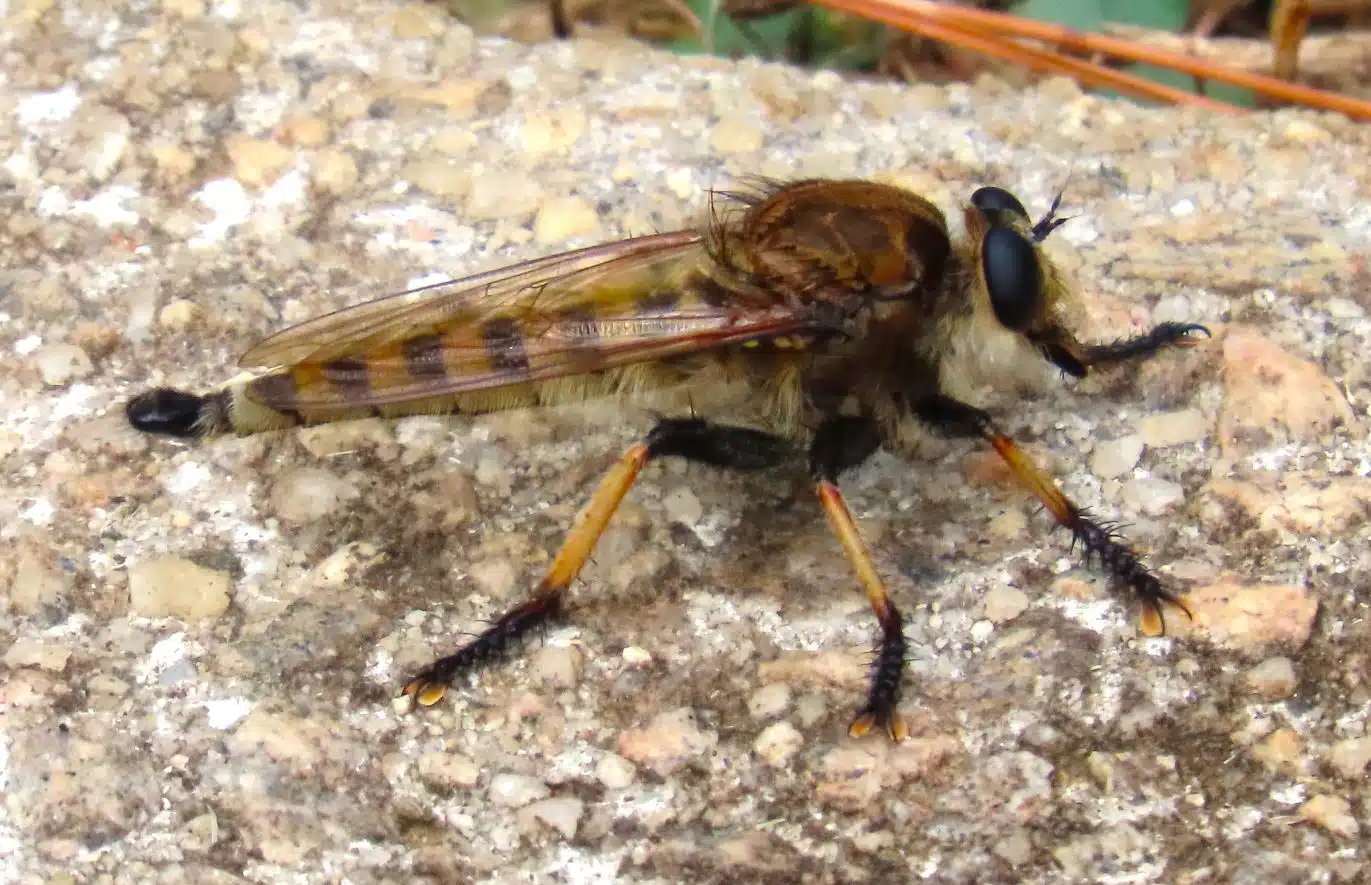
- The red footed cannibal fly is a terror in its tiny world
-

- This black rat snake is starting to shed by rubbing its head on the ground

-

- The shed skin after a few minutes is a perfect cast of the body and eyes

-

- These male river cooters have long tails and long toenails

-
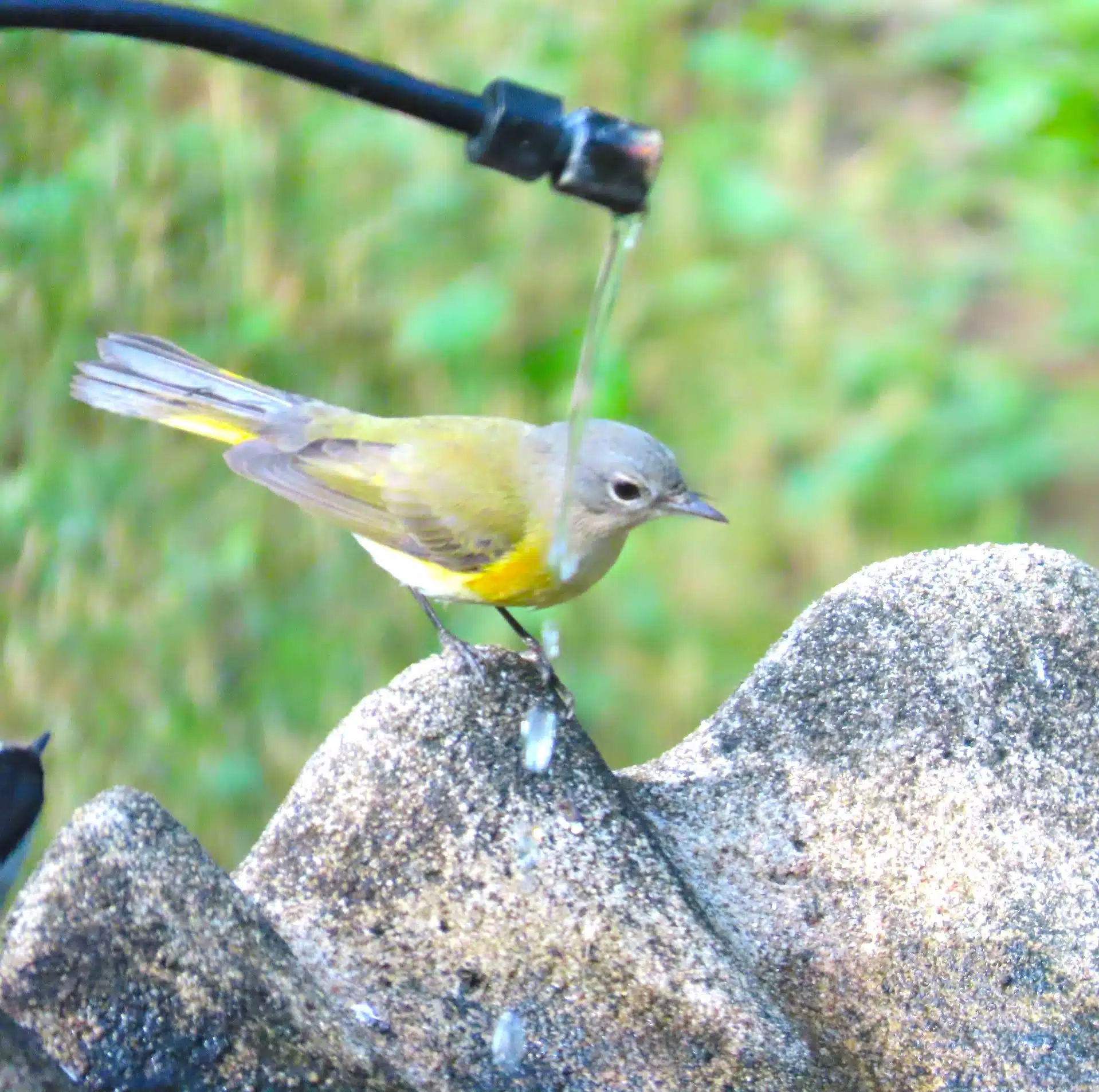
- A first summer male redstart comes to my water drip
-

- A cedar waxwing swallows a large non native bush honeysuckle fruit

As the early Fall season continues you might think there would be a significant abatement of life as temperatures cool and leaves begin to fall. Such is not yet the case in early September as there seems to be a reasonable if somewhat less abundance of life including the “flying flowers,” our marvelous butterflies. But one indisputable mark of the arrival of Fall is the appearance of bright red leaves on black gum trees. This accompanies the ripening of the dark fruit; hence the red leaves appear to be a case of “fruit flagging” to alert birds that dinner is served. The “heart a busting” plants do this in a big way by having a bright red coloring to their fruits.
The Haw River has been at a very low ebb lately since we have had very little rain despite some dark afternoon clouds. The base flow level of the river is below two feet and a view from an outflow “delta” of our river floodplain gully system still shows a wide expanse of water for maintenance of aquatic life. River banks are still showing the massive impact of tropical storm Chantal on July 6. In addition to river banks eroding directly from the effects of a 29 year high of 32 feet, there appears to have been a large effect of banks “slumping” from the influence of a large increase of subsurface ground water flow. This caused the soil to “liquify” and slide into the river along with attached trees. A good example is shown from Saxapahaw Island upstream from my place. This ground water flow from the banks has now subsided with the passage of heavy rains.
Although many native plants have completed blooming, my yard continues to attract large numbers of butterflies to blooms of butterflybush, althea, lantana, mistflower, cutleaf coneflower, tithonia, chaste bush, goldenrod, Brazilian vervain, and boneset. The red spotted purple is an edible Batesian mimic of the toxic pipevine swallowtail and has an interesting contrast between orange spots on the outer wing surfaces and iridescent blue on the inner wing surfaces. This male spicebush swallowtail is a toxic Muellerian mimic of the pipevine but has two rows of orange spots outside and a blue flash on the inner hind wings. I noticed a hackberry emperor which does not come to flowers basking on a tree trunk, holding its wings to catch a sunny beam of sunshine in a otherwise shady forest. A comma butterfly similarly finds a sunny spot in the forest and basks while looking for sap or animal dung to sip. The physiological need of butterflies to obtain sodium lacking in their diets is illustrated by a group of sleepy orange butterflies “puddling” on the river bank. Possibly a vertebrate deposited urine or dung in this spot to enrich it in sodium.
Some of the numerous caterpillars to be seen in Fall are best avoided due to toxicity. The Puss caterpillar is a very strange sight and quite toxic. The tussock moth caterpillar is less so but is a peculiar sight. It is mildly toxic and advertises this to potential predators. The strange structures on its back have been postulated to mimic the eggs of parasitic wasps and thus repel actual parasitism.
Other insects are quite evident. A beewolf wasp (Philanthus) is seen commonly on certain flowers such as cutleaf coneflower. It is a solitary wasp and despite its very predatory nature ( https://en.wikipedia.org/wiki/Beewolf ) is quite attracted to flowers. Another insect that preys on insects is the giant robber fly (Promachus rufipes) which belies the usual nature of flies and is indeed called the red footed cannibal fly.
While sitting quietly along the river I heard a rustling in the leaves and noticed a large black rat snake pushing its head on the ground. At first I could not understand what was going on but quickly realized that the snake was shedding its skin. You will see the shed skin just behind the head and it was quickly pulled from the snake’s body by adhering to ground debris and being pulled off by the snake’s movements. You will notice that even the coverings of the eyes are shed- such a strange renewal of the skin is believed to be part of the reason humans have long held snakes to be peculiar and deserving of respect, fear and even some reverence. Remember the story of the Garden of Eden and the serpent that tempted Eve?
Our common river cooter turtles (Chrysemys concinna) continue to thermoregulate by basking on rocks. These two individuals illustrate two interesting points. First their shells are quite flattened, presumably an adaptation for hydrodynamic efficiency in sometimes fast flowing river waters. This is very different from the peninsula cooters found in SW FL lakes which have enormously domed shells to resist the crushing jaws of alligators. Domed shells in females can also hold more eggs. Secondly these appear to be two males with a long tail to facilitate mating and long front toenails which are used in mating rituals.
My dripping water bath continues to attract some interesting birds. Here is one example of a redstart warbler- this appears to be a first summer male which is colored more like a female. Redstarts breed here so this may be a local bird since little migration has started yet. A large bush honeysuckle nearby is covered with bright red berries which have attracted the attention of a flock of waxwings. It is notable that this non-native and thus undesirable plant is benefitting the birds. Such is not the case for the poisonous nandina which should be exterminated.
Certainly each season has its beauties and disadvantages but Fall is a glorious time of the year for nature lovers. The weather is great and there is a lot of animal activity and change in the air. Since I am planning to leave for my SW FL winter home in early October, I am also planning to “migrate” to avoid the cold weather to come.