
-

- Sunrise over Lemon Bay in my backyard

-

- Sunset over the Gulf across the street from my house

-

- Annual growth rings of a slash pine about 80-100 years old from Don Pedro Park

-
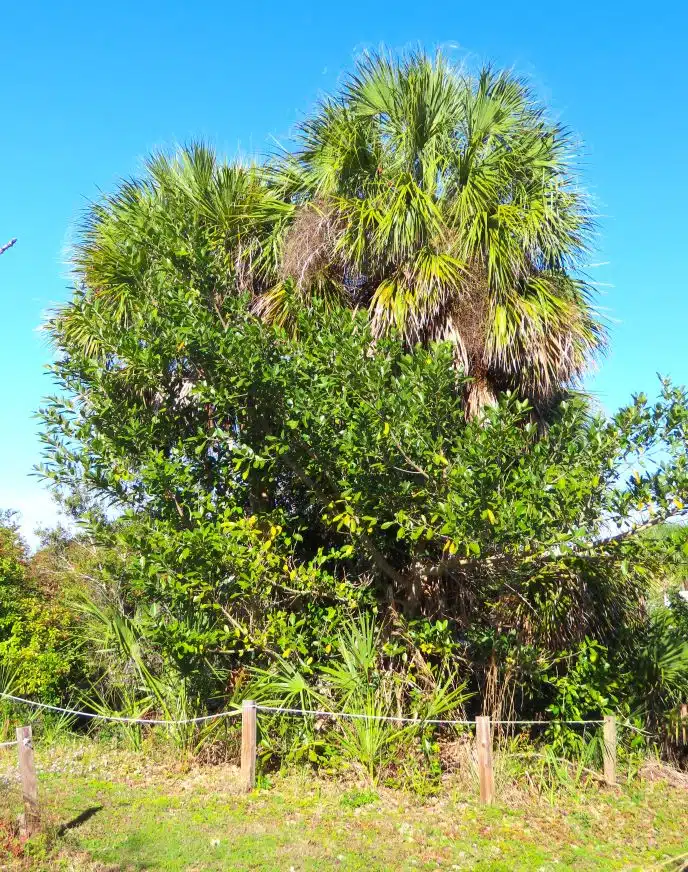
- Rapid growth of a strangler fig I planted on a cabbage palm
-

- The striking fruit flagging of a Virginia creeper

-
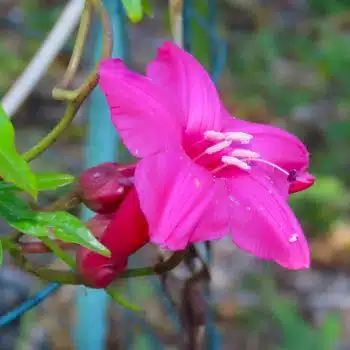
- The tropical morning glory attracts hummingbirds
-
- A pair of Cassius blue butterflies mating
-

- A cloudless sulphur butterfly on a non-native Panama rose

-

- An orange barred sulphur butterfly on a cassia plant

-

- The queen butterfly is found inland

-
- A male monarch on a jatropha flower
-

- A tiny spiny orb weaver spins a very impressive web

-
- A mockingbird feeds on firebush fruit
-

- A winter resident yellow throated warbler makes a daily visit to the water drip

-

- An adult brown pelican in breeding coloration is stunning

-
- A male kestrel is a tiny but fierce falcon
-

- This osprey has caught a striped mullet

-
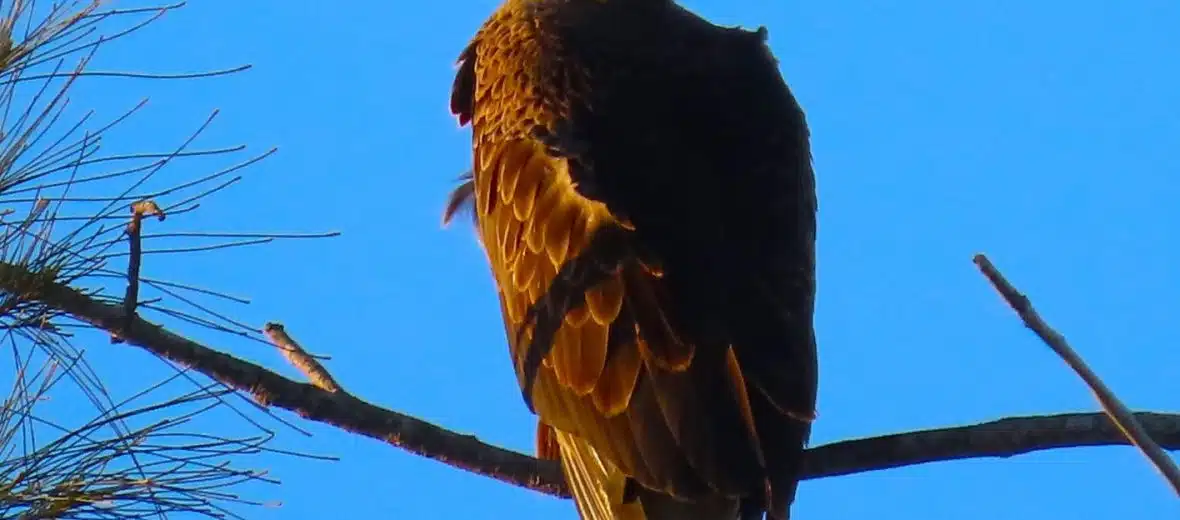
- A bald eagle often perches on this tall non-native casuarina tree near my yard
Sunrises and sunsets are exciting and mysterious since they are so ephemeral and unpredictable. A partly cloudy sky can result in better color but there seems little systematic way to predict in advance how beautiful one will be. One thing is certain and that is the typically short duration of the most beautiful color displays. Then there is the famous “green flash” at sunset which may just be an afterimage on the retina or a real atmospheric phenomenon due to refraction ( https://en.wikipedia.org/wiki/Green_flash ).
In contrast to short lived atmospheric displays there is the hard reality of wood which records the passage of time in growth rings. Whenever I see a tree being cut down I look at the ring pattern to see how old that tree might be. The managers at Don Pedro State Park have recently cut down many slash pine trees that were dead, in part form excessive winter burning and in part from the salt water tidal surge that happened in October of 2024. The apparent age of the larger trees seems to be 80-100 years old as you can see from the cross section shown. This correlates well with the closing of the huge lumber mill in Venice about 1920. Thus the wide spread cutting of the previous forests would have been followed by sprouting of many new trees that would now be around that age. There are many young pines growing now on the northern side of the park and I hope the managers will refrain from ever burning again in winter but especially while such a severe drought is underway. as at present.
I am very fond of the native strangler fig tree which is both beautiful and very beneficial to birds who eat the fruits. It has a parasitic growth habit in that it typically grows up around a cabbage palm and eventually kills it. But its life cycle normally takes a very long time after a seed is deposited on a palm in the feces of a bird. To speed up the process I placed a small seedling fig on the base of this palm about 10 years ago and now it is flourishing. Very few of these figs are now left in the lower coastal plain since they are not very tolerant of occasional sea water immersion by storm surges. This was very well illustrated by the effects of the storm surge caused by hurricane Milton.
When Virginia creeper vines turn red you know it is fall/winter. This is a famous effect called “fruit flagging” in which birds are attracted to a dark or white fruit by bright red leaves. Poison ivy is a good example of a white fruited plant which has red leaves in Fall/Winter.
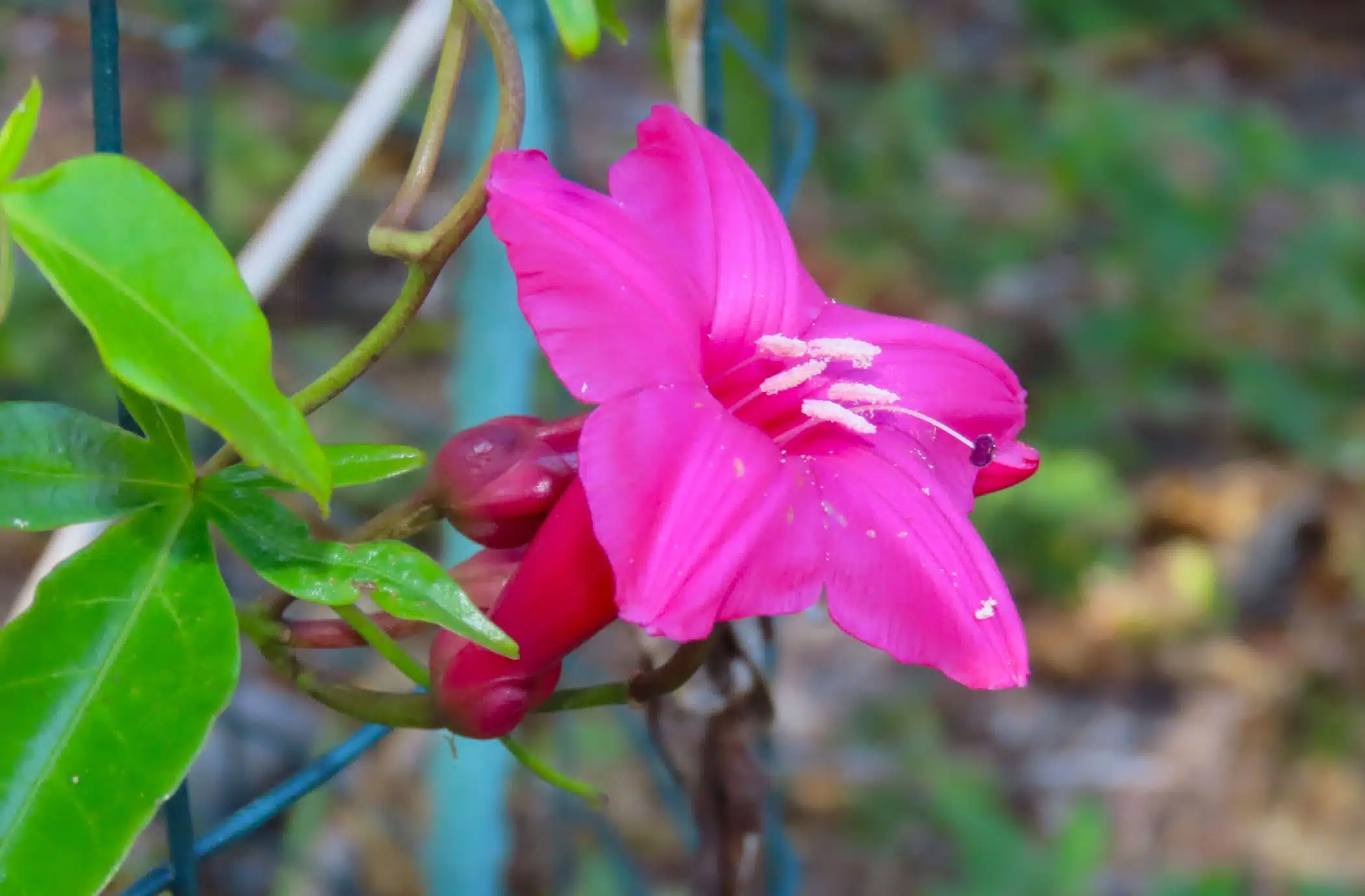
This beautiful red morning glory, cypress or hummingbird vine is native to northern S America but widespread in the tropics ( https://en.wikipedia.org/wiki/Ipomoea_quamoclit ). It has the classic hummingbird flower shape and color with five stamens and one pistil extending out in front so the pollinator will come into contact with it. I am trying to grow it in my yard since my many coral honeysuckles have been less than successful lately. We only have hummingbirds passing through in migration in Spring and Fall.
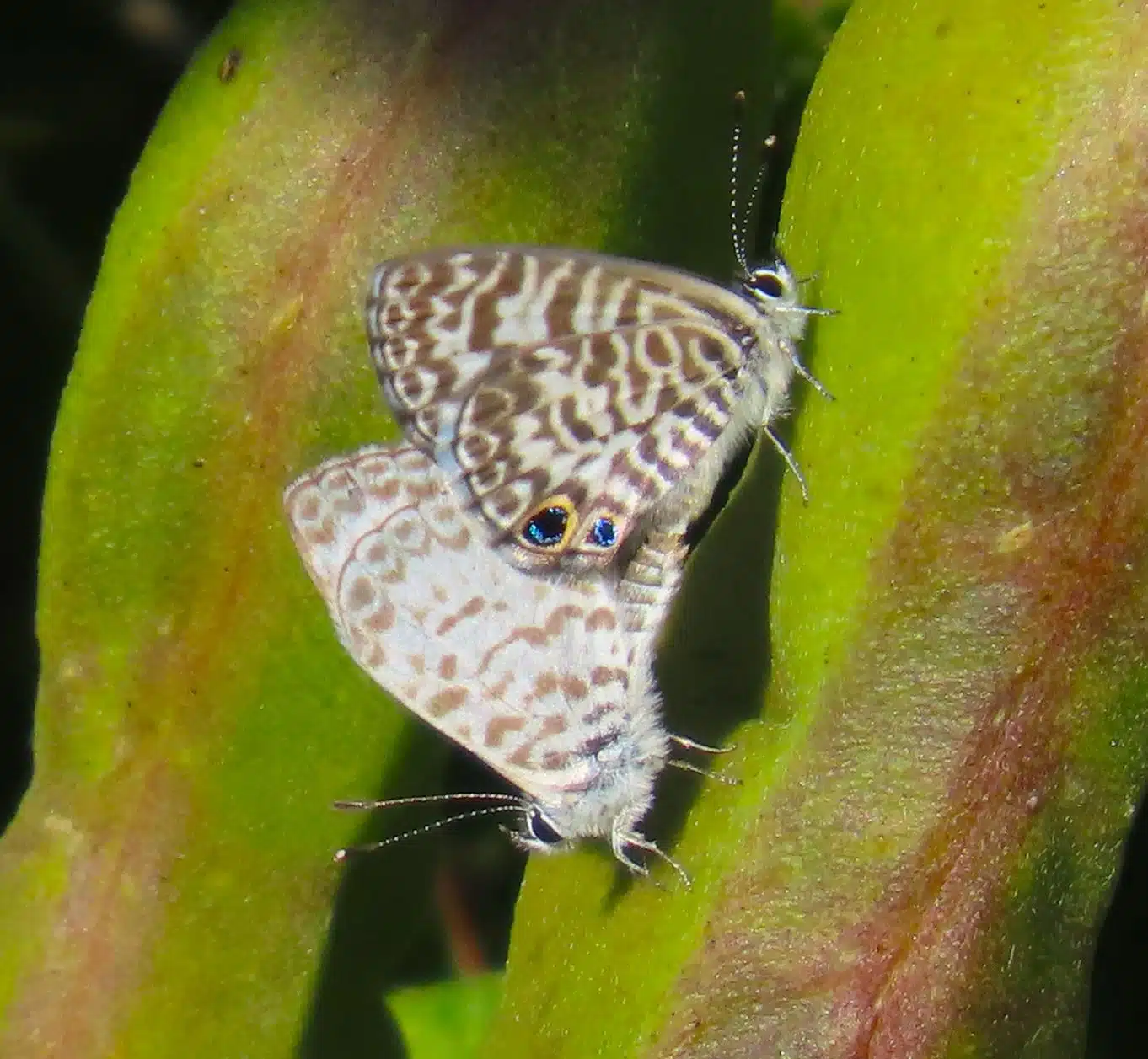
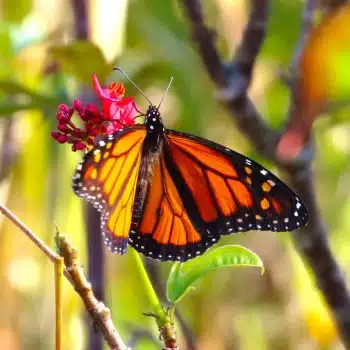
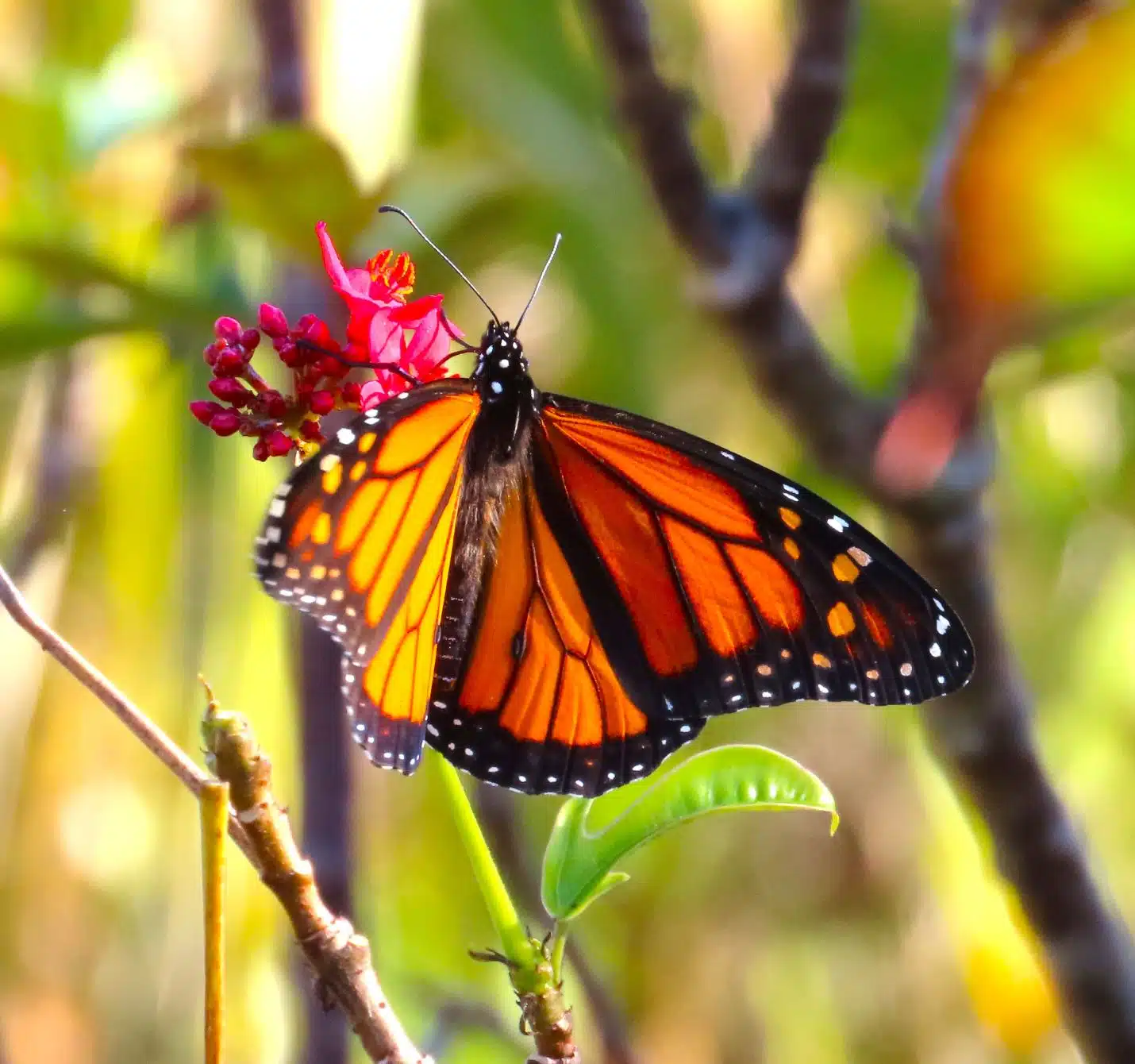
Winter is a difficult time for butterflies because of the low temperatures and greatly reduced number of flowers with nectar. I do have many Cassius blues attracted to lots of tiny heliotrope flowers and this pair is in the process of mating. The “false head” spots on the rear of the wings is quite striking. I have several cassias blooming as well as Panama rose which have attracted two types of large spectacular sulphur butterflies, cloudless and orange barred. They fly very fast and rarely alight for long in an apparent attempt to avoid predation by birds. The cassias/sennas are the food plant for the caterpillars but I rarely see larvae due most likely to predaceous paper wasps. I have quite a few monarchs in my island yard which are attracted to jatropha, two non-native milkweeds, and various other flowers. I almost never see the related queen butterflies which are a milkweed specialist that is found inland only a few miles.
Spiders have been hardly evident in winter except for this spiny orb weaver. For a tiny spider it has an impressive web. Its spiny body likely dissuades birds from eating it.
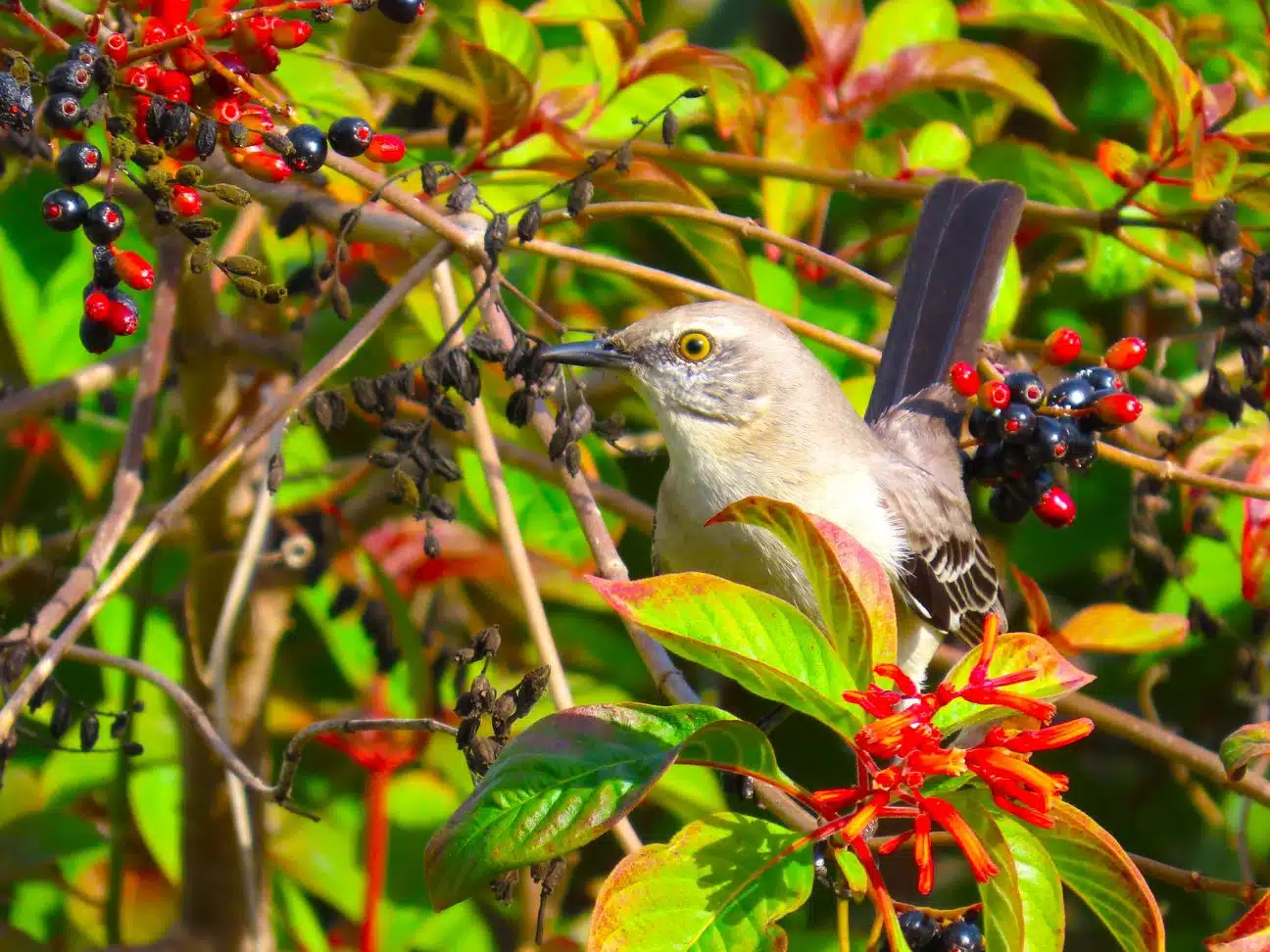
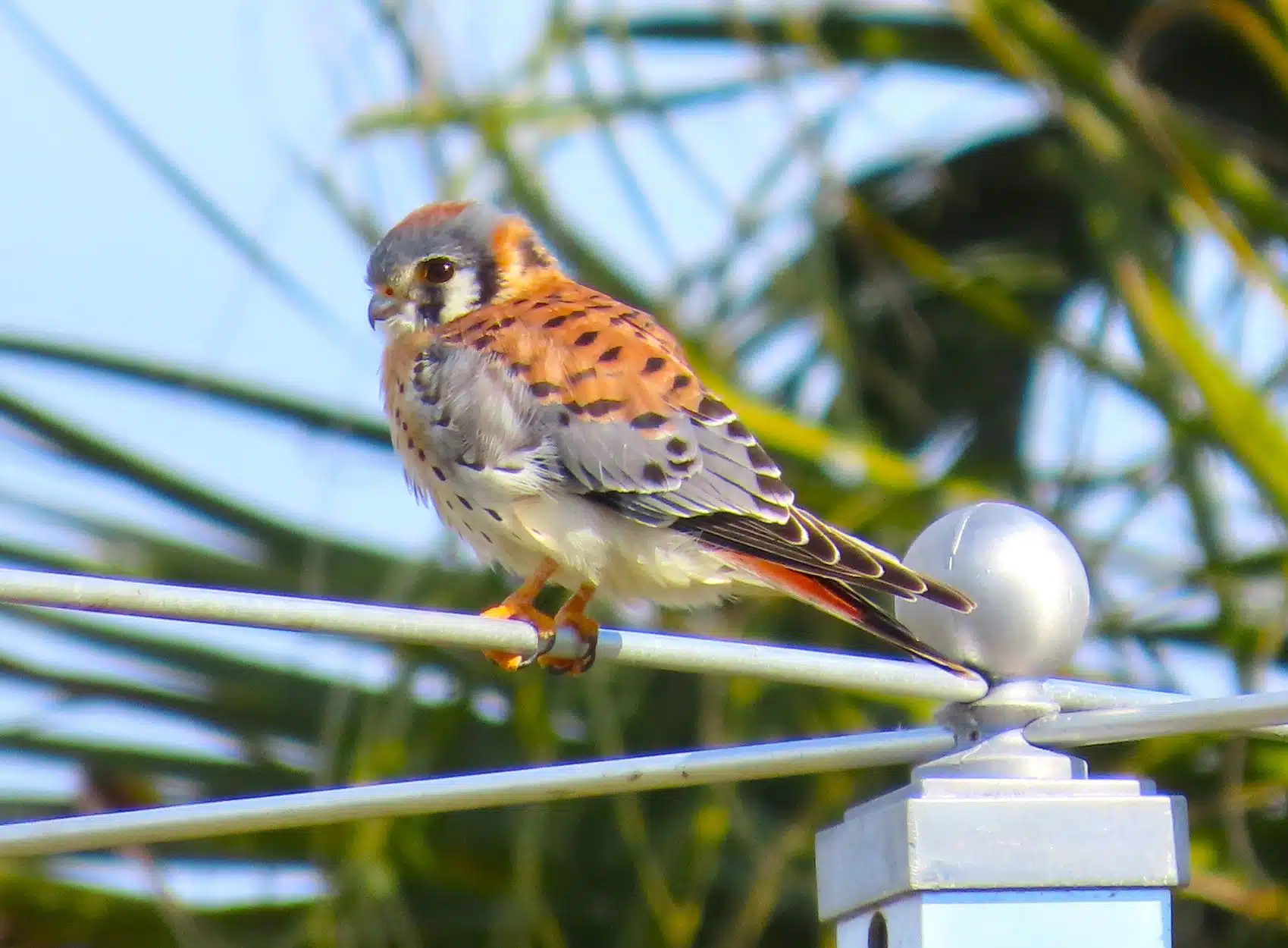
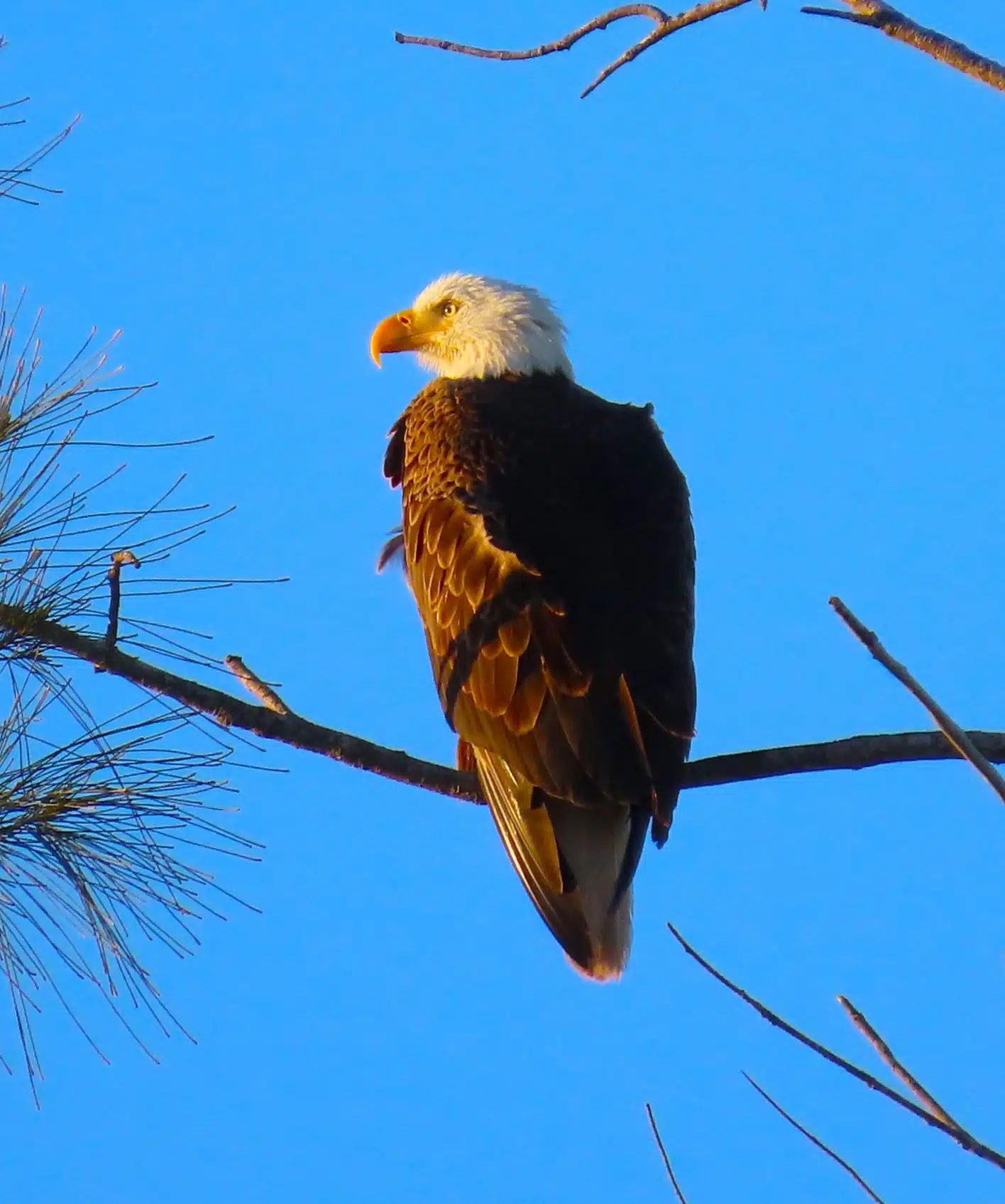
My winter resident birds are always much in evidence at one of my three dripping water baths or on fruit bearing shrubs. This mockingbird was feeding on the numerous berries of firebush. A yellow throated warbler comes daily to the dripping water bath to drink and bathe. I especially enjoy seeing these not only because they are beautiful, but they remind me of my NC summer home where this species breeds in tall pine trees around my home. This adult brown pelican in early breeding plumage is quite striking as it floats on Lemon Bay near my dock. A male kestrel perched on a pole at Wildflower Preserve is also a feathered beauty. An osprey has caught a fish at Wildflower and we were concerned that it might be a treasured tarpon, but it turned out to be a common striped mullet based on the placement of the fins. Finally I have one or more bald eagles that sit most days in a casuarina tree near my house- the presence of this non-native tree is a boon for such raptorial birds since there are no native trees of this height left.
As you can see from the photos, I have had no lack of interesting natural history to study and admire in middle January. So forget that it is winter and just go outside and enjoy nature!