
-

- Bay lobelias growing in a damp swale

-

- Paw paw flowers emerge before the leaves

-

- This rose rush flower has attracted a bee pollinator

-

- Toad flax flowers are a sure sign of late Winter

-

- The tiny star grass is actually in the amaryllis family

-

- The tiny bowl and doily spider has an amazing web made visible by dew

-
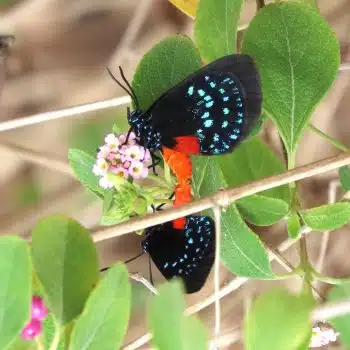
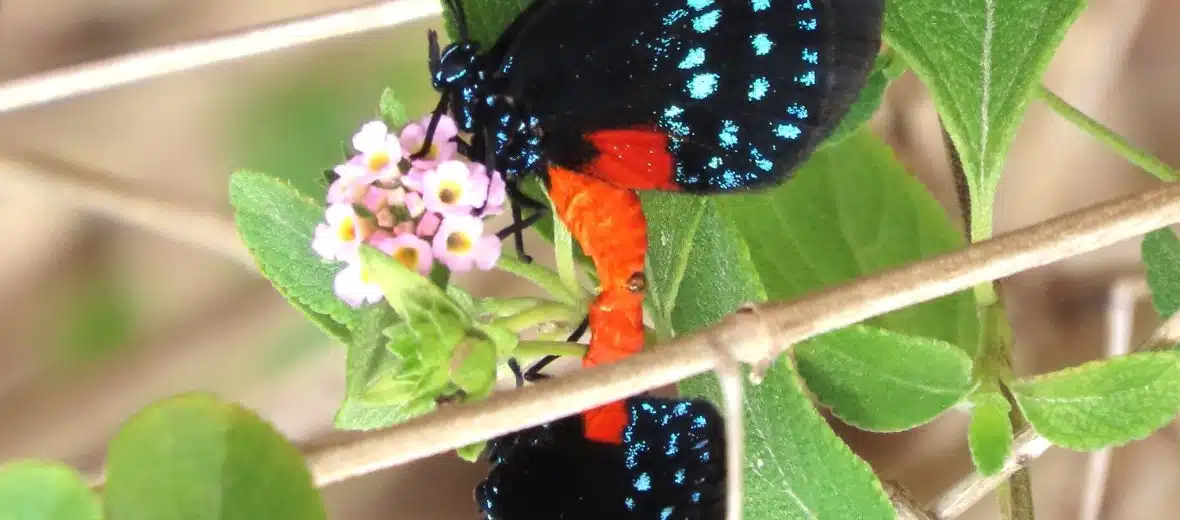
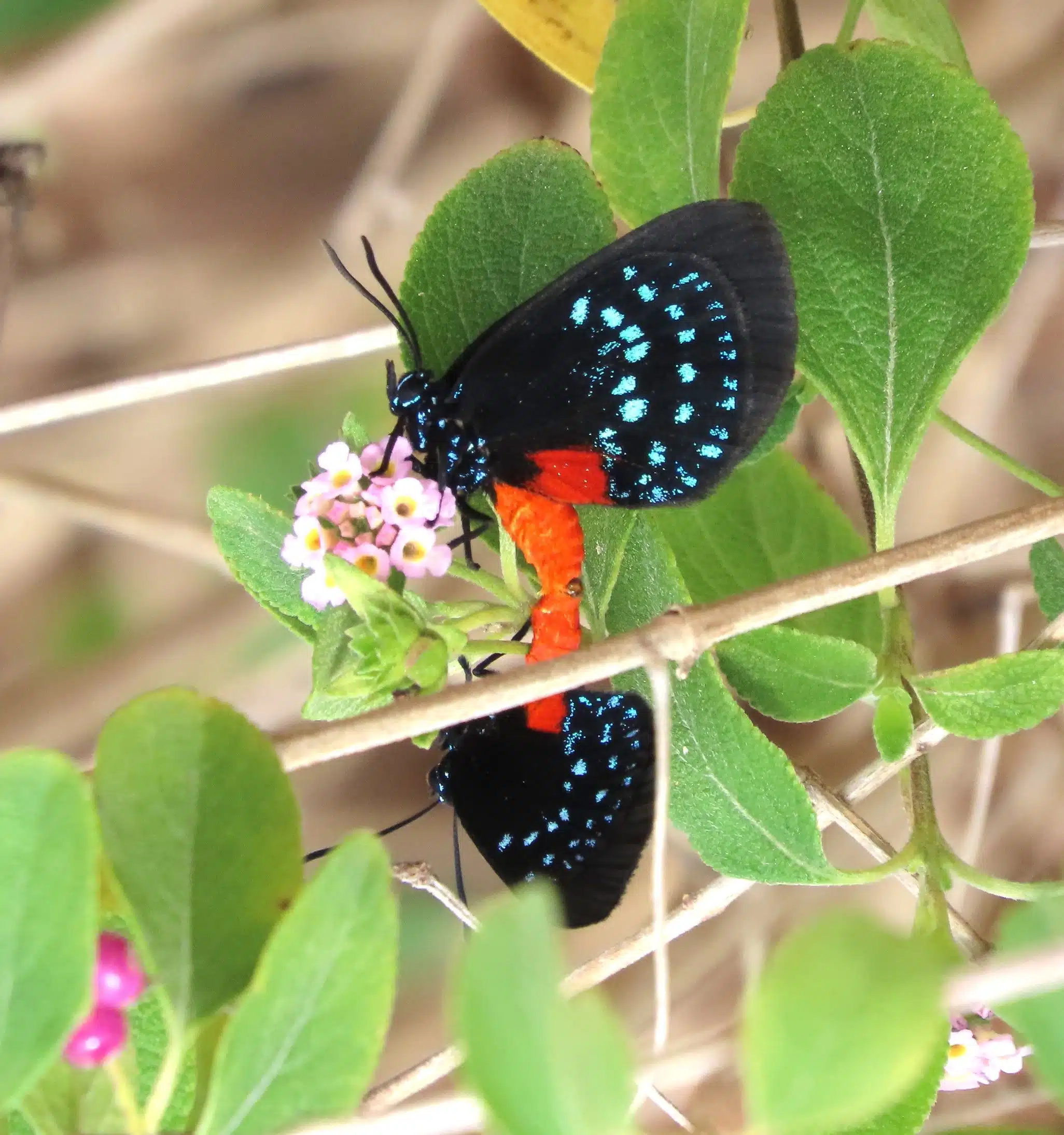
- The dynamite atala butterfly feeding on native lantana
-
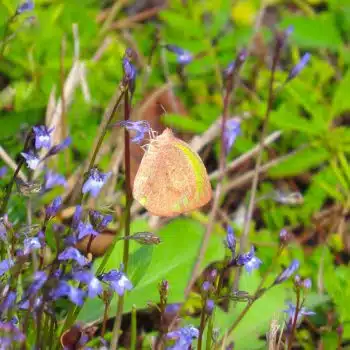
- A barred yellow butterly on bay lobelias
-
- The male great egret is an amazing sight during courtship
-

- Where is this giant flightless bird found? in Patagonia

-
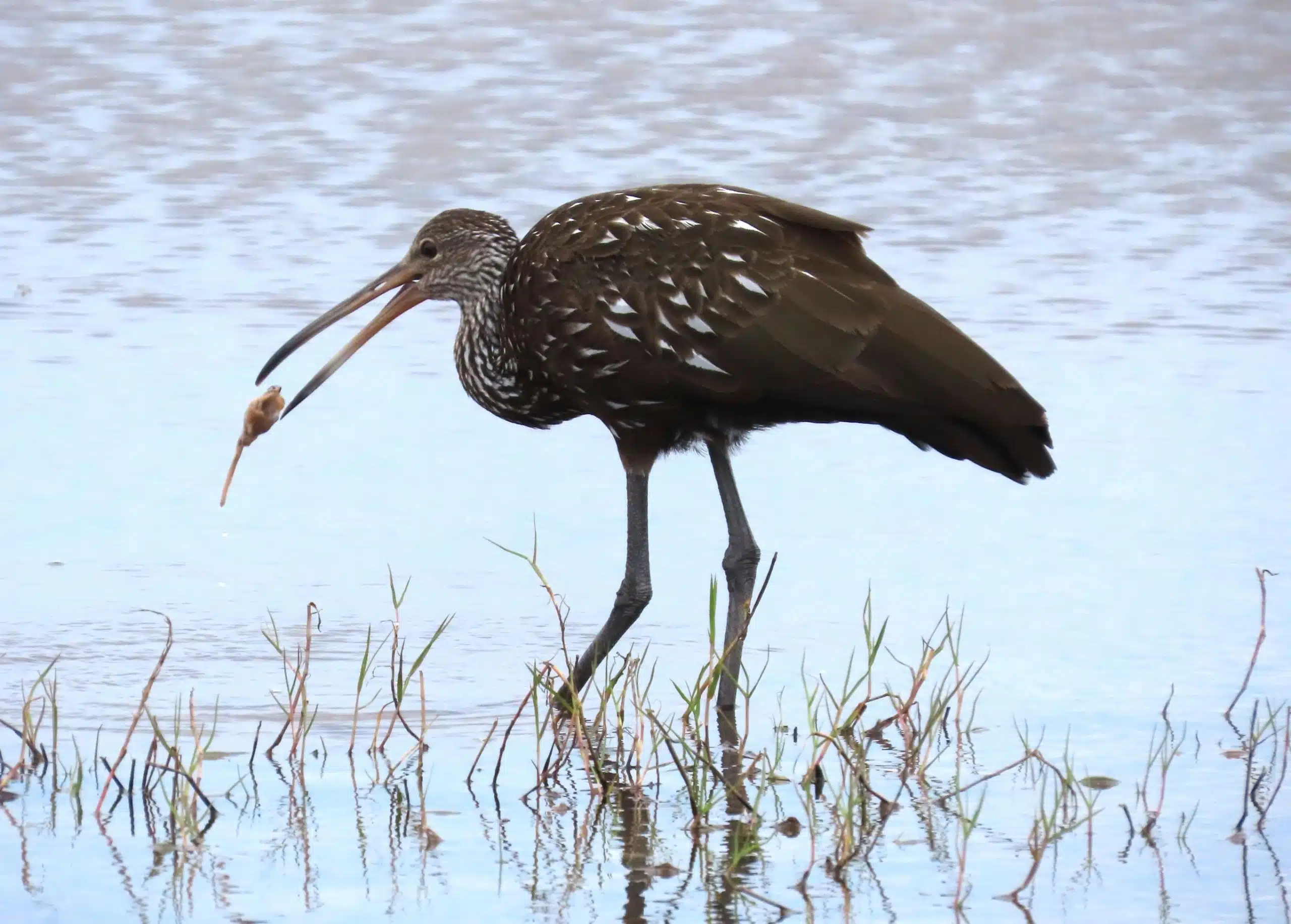
- A limpkin feasts on mussels
-

- Wild Nanday parakeets are extraordinary

-
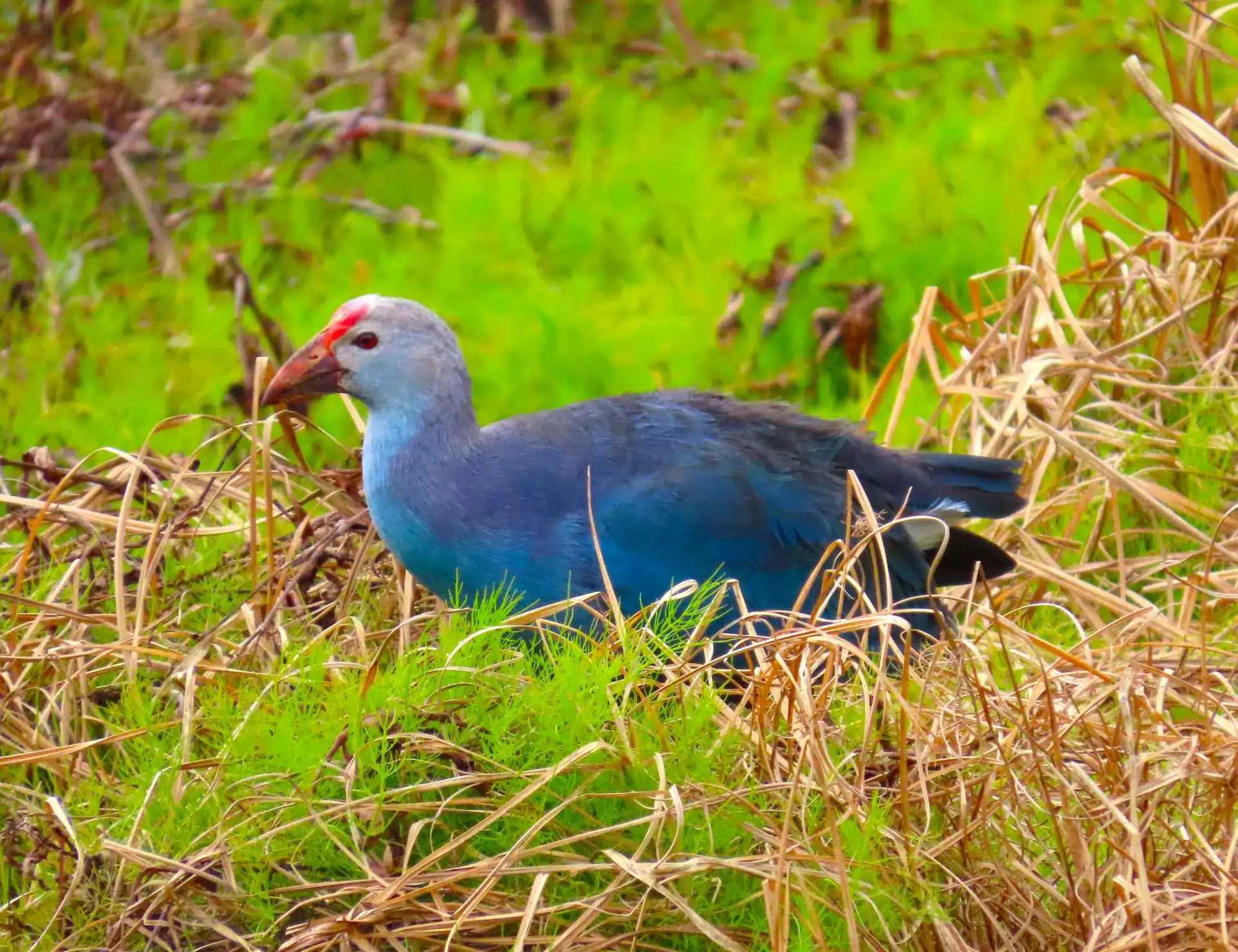
- The non-native gray headed swamp hen is well established in Celery Fields
-

- A soaring white pelican is on its way to western N America

-

- A displaying male redwing is an extraordinary sight

-
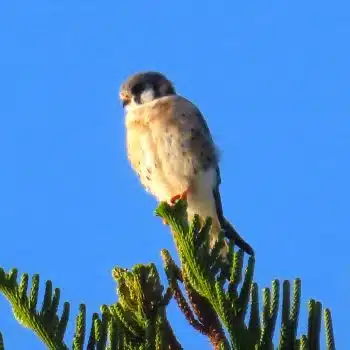
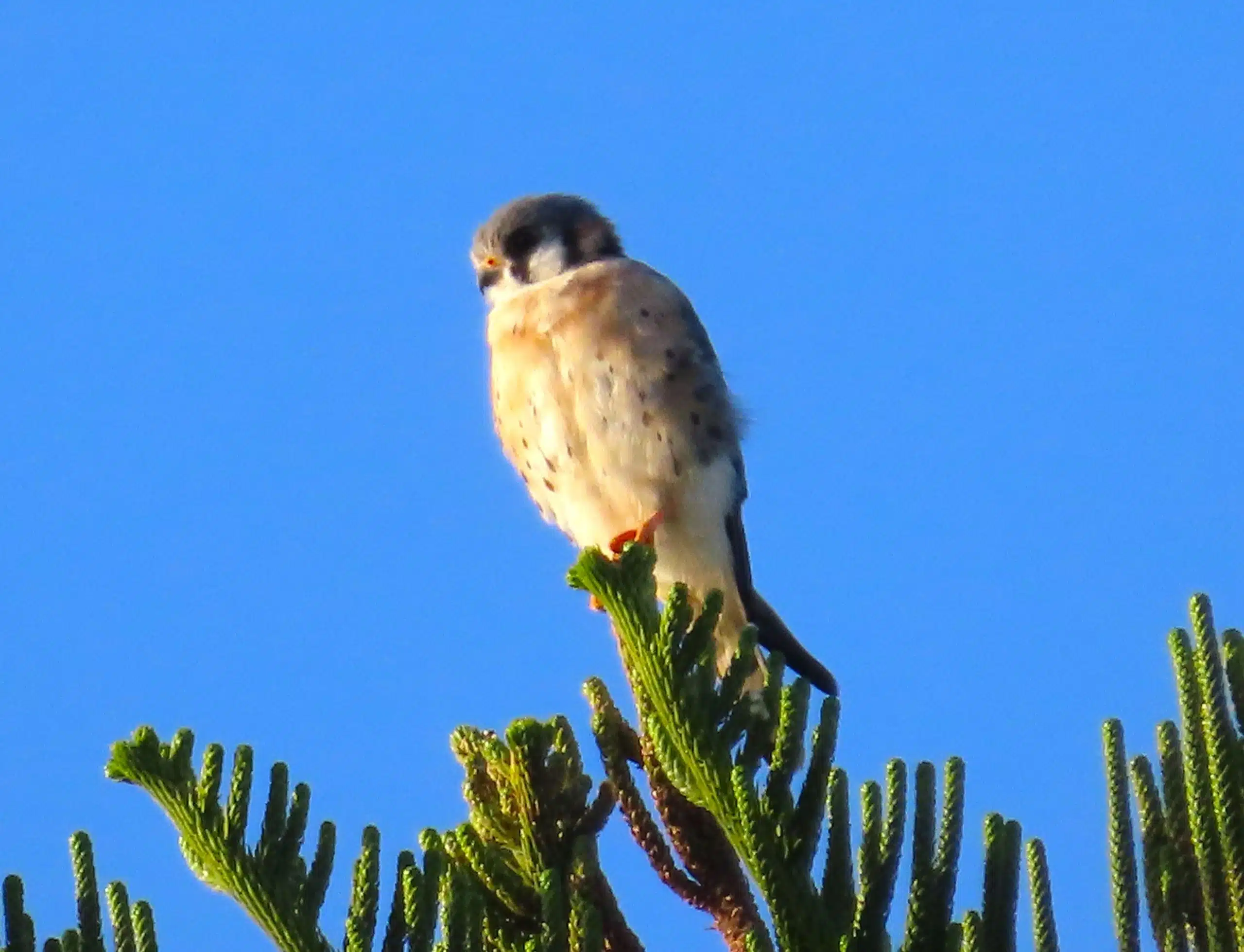
- A kestrel perches on top of a tall Norfolk Island pine
-
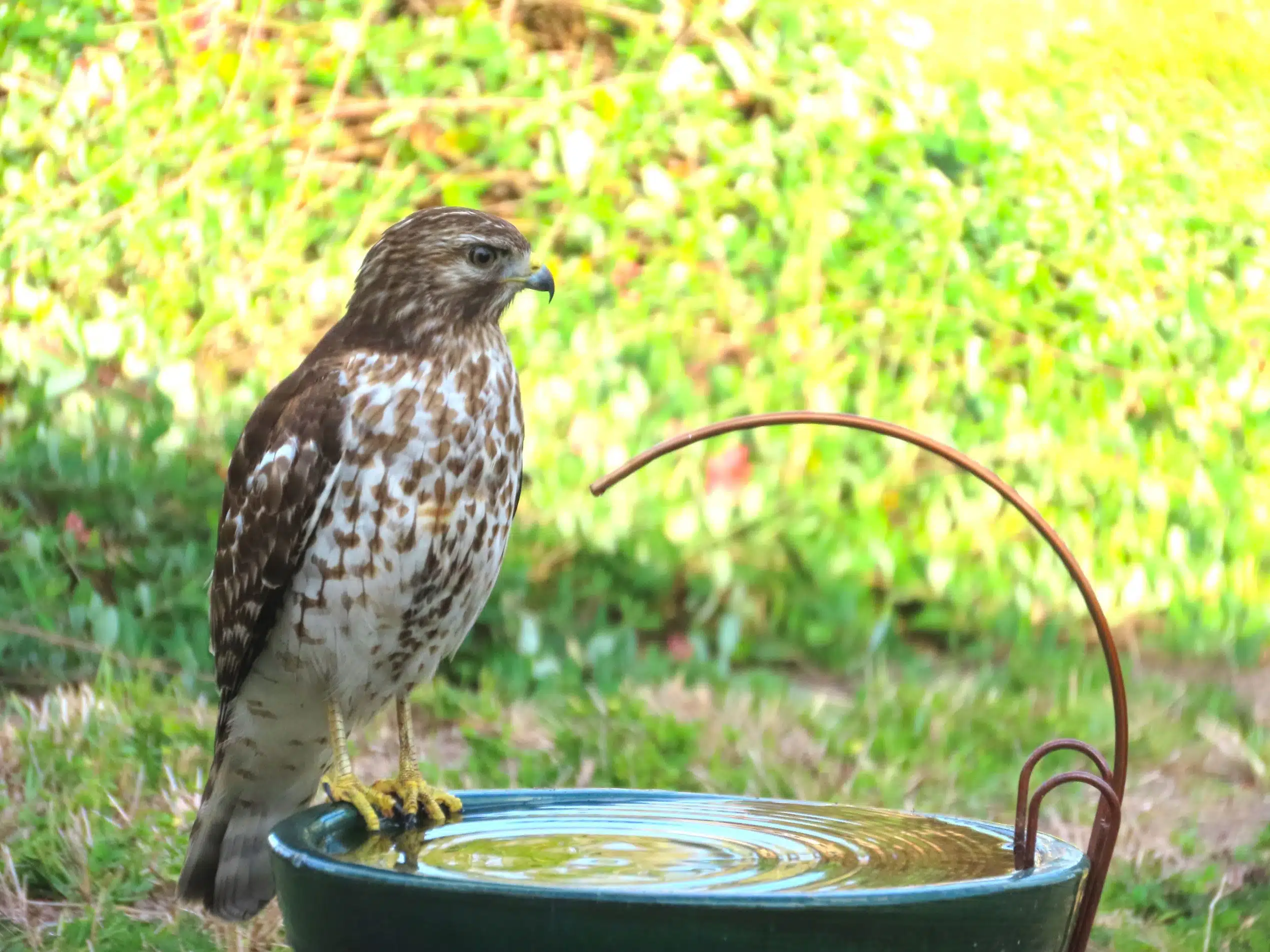
- A juvenile red shouldered hawk checks out a dripping water bath
-

- A male prairie warbler comes for a drink

As Spring approaches I have been somewhat disappointed with the relatively few flowers that are blooming. This is likely due to the very dry weather (a 7 year drought) plus we are approaching the driest month of the year (April). But there are a few indications of the many flowers to come. The wonderful but tiny bay lobelias are now found in a few damp spots in swales. Paw paws are in full bloom before their leaves emerge. They will be attracting the fabulous zebra butterfly as a food source for caterpillars. A few rose rush are in bloom at the end of their blooming season. Toad flax is a characteristic late winter bloomer which is just starting to be seen. Star grass has just burst forth along forest paths and although tiny is a wonderful representative of the amaryllis family.
Our mornings are typically moist with heavy dew. In locations where bowl and doily spiders are present the webs are coated with dew sparkling like jewels. These double layered webs are quite marvelous allowing for a very tiny spider to catch sizeable prey without significant danger to itself.
Butterflies are present if not yet common. I visited the Celery Fields location of the Audubon Society Center and was surprised to find numerous Atala butterflies mating and feeding on a native lantana, the button sage. The caterpillar food plant for atalas is coontie and it is thought that they have declined greatly due to previous destruction of coonties for starch production and massive development of uplands. This amazingly colorful hairstreak is likely so brightly colored to warn predators that it retains toxins from its larval cycad food plant. This species is now being reintroduced into its former range with some success.
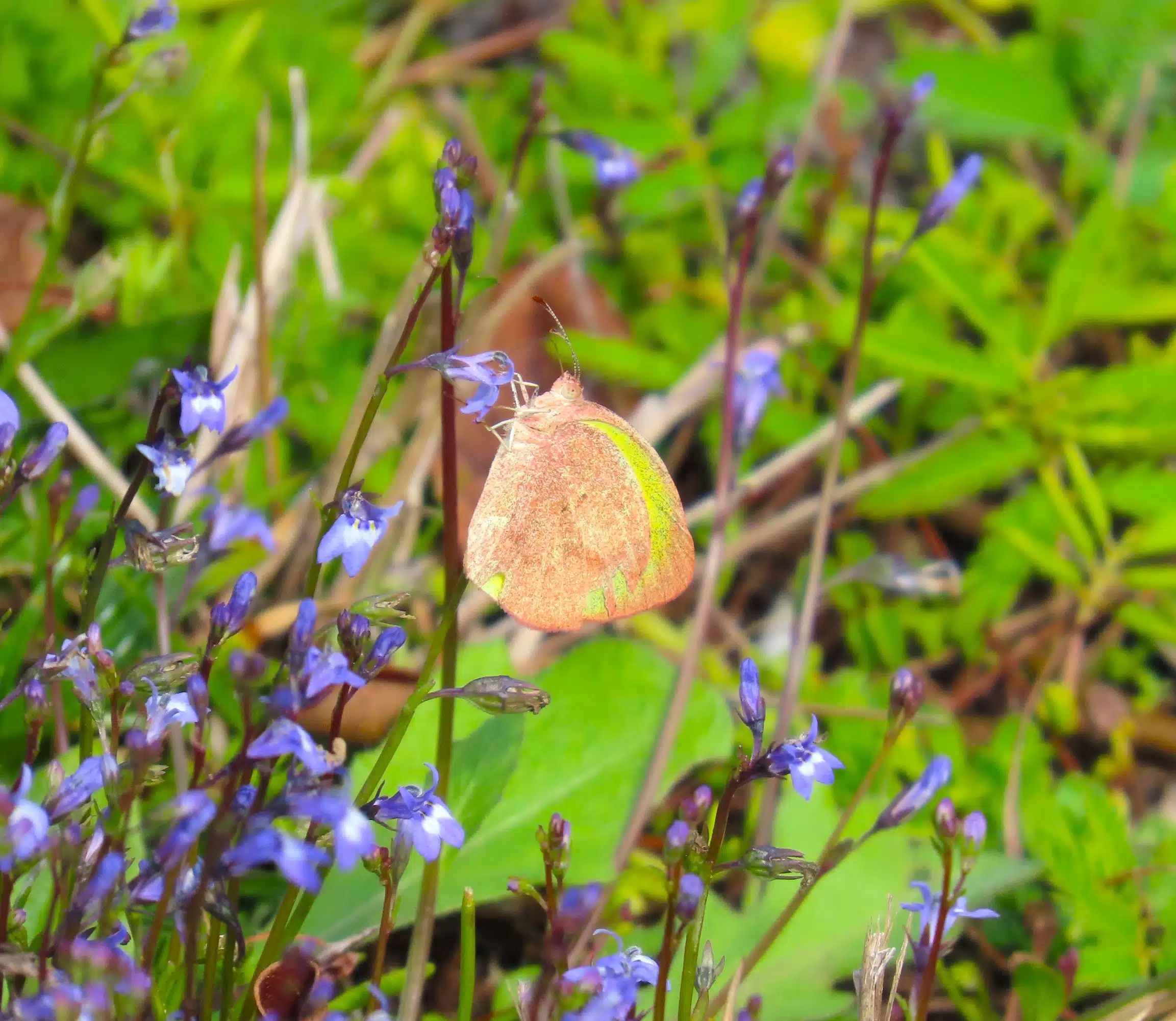
A small patch of bay lobelia in a damp swale was attracting a group of butterflies including this barred sulphur.
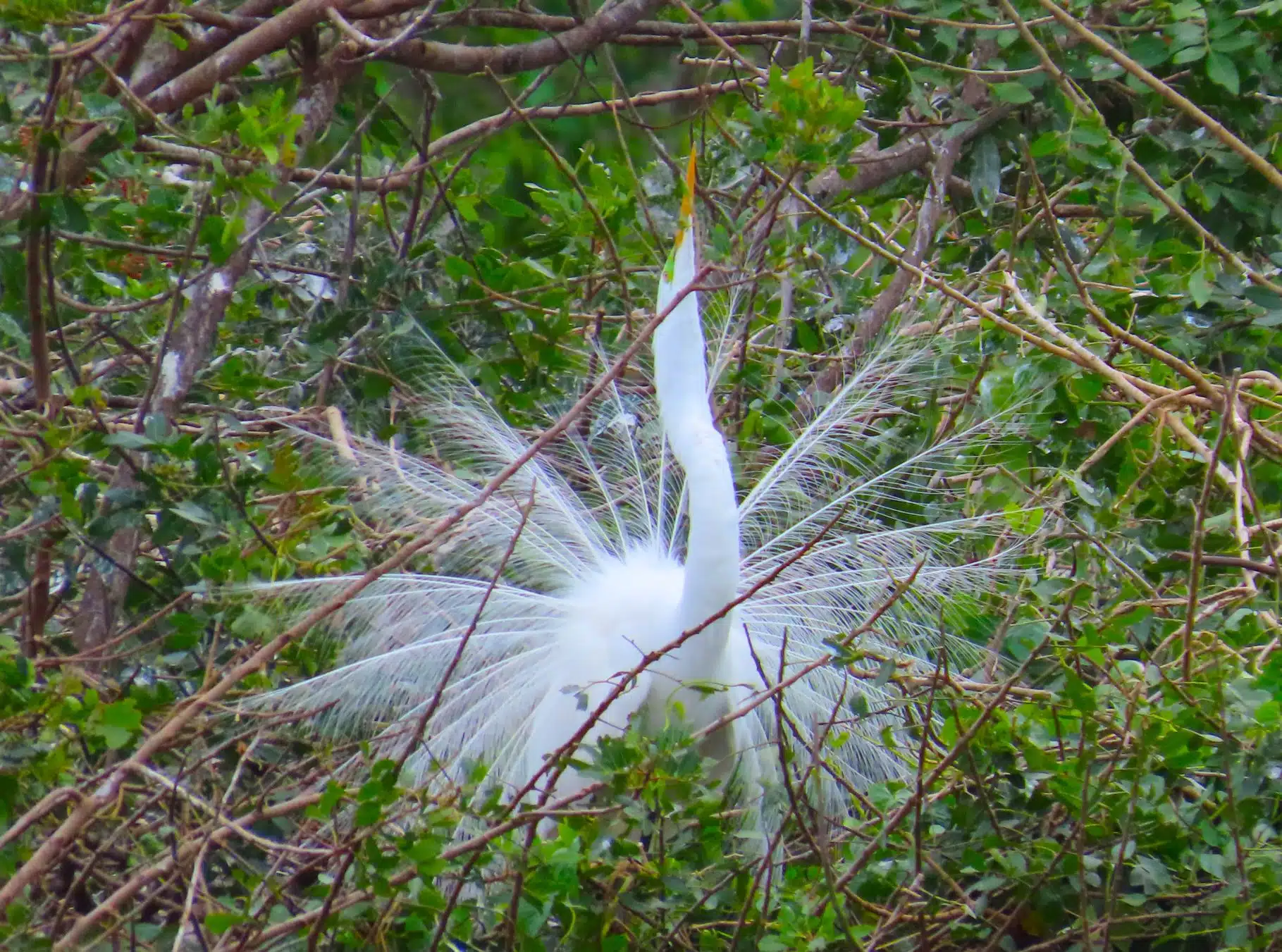
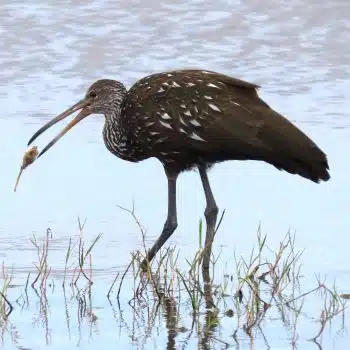
Wading birds are breeding and one easy place to watch them is at the Venice Audubon rookery. This male great egret was putting on quite a show with its amazing plumes in an effort to attract a mate. Of course these birds were nearly exterminated in earlier times when they were killed to get the plumes to place on women’s hats. See if you know what this next bird is- it is photo of a large flightless bird, the rhea, from Patagonia where my daughter was hiking. Just checking to see if you were awake! A visit to Myakka State Park was exciting since the weir on the upper lake has been removed and the birds are loving it. There were many limpkins feasting on mussels. Nanday parakeets are a spectacular non-native species that are naturalized in S FL and they can easily be observed at Celery Fields as can another non-native the gray headed swamp hen.
This time of year white pelicans are starting to migrate back to western N American. They are a huge bird usually found in flocks that is so well adapted for soaring on wind currents that they hardly need to flap their wings. Another seasonal change in bird behavior is the arrival of individual male redwings that are choosing breeding territories and advertising them by calls and display of the bright red shoulder epaulet. The redwing is quite common and they are really one of the most strikingly colored birds but may not get the respect they deserve. I noticed this kestrel perched on a tall Norfolk Island pine, a non-native that is quite useful for raptorial birds. Many of these kestrels will be migrating north as will some of the red shouldered hawks. This juvenile hawk is often seen in my yard and even comes to the water bath. An adult male prairie warbler also came to the dripping water bath; it may breed here in the mangroves or migrate to the north.
Although Spring seems somewhat reluctant to appear in this very dry year there are many signs that it is on schedule to arrive on March 20. Soon more flowers will be blooming and avian migrants from Central and South America will arrive in large numbers. So keep alert for winds and storm clouds from the NW that can divert amazing birds from their flight paths to the north. It is a wonderful time of year that provides a renewal of natural ecosystems that have often been rather dormant during winter.