

-

- A vista of the Haw River along my 50 acres

-
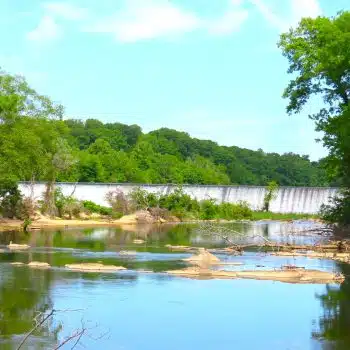
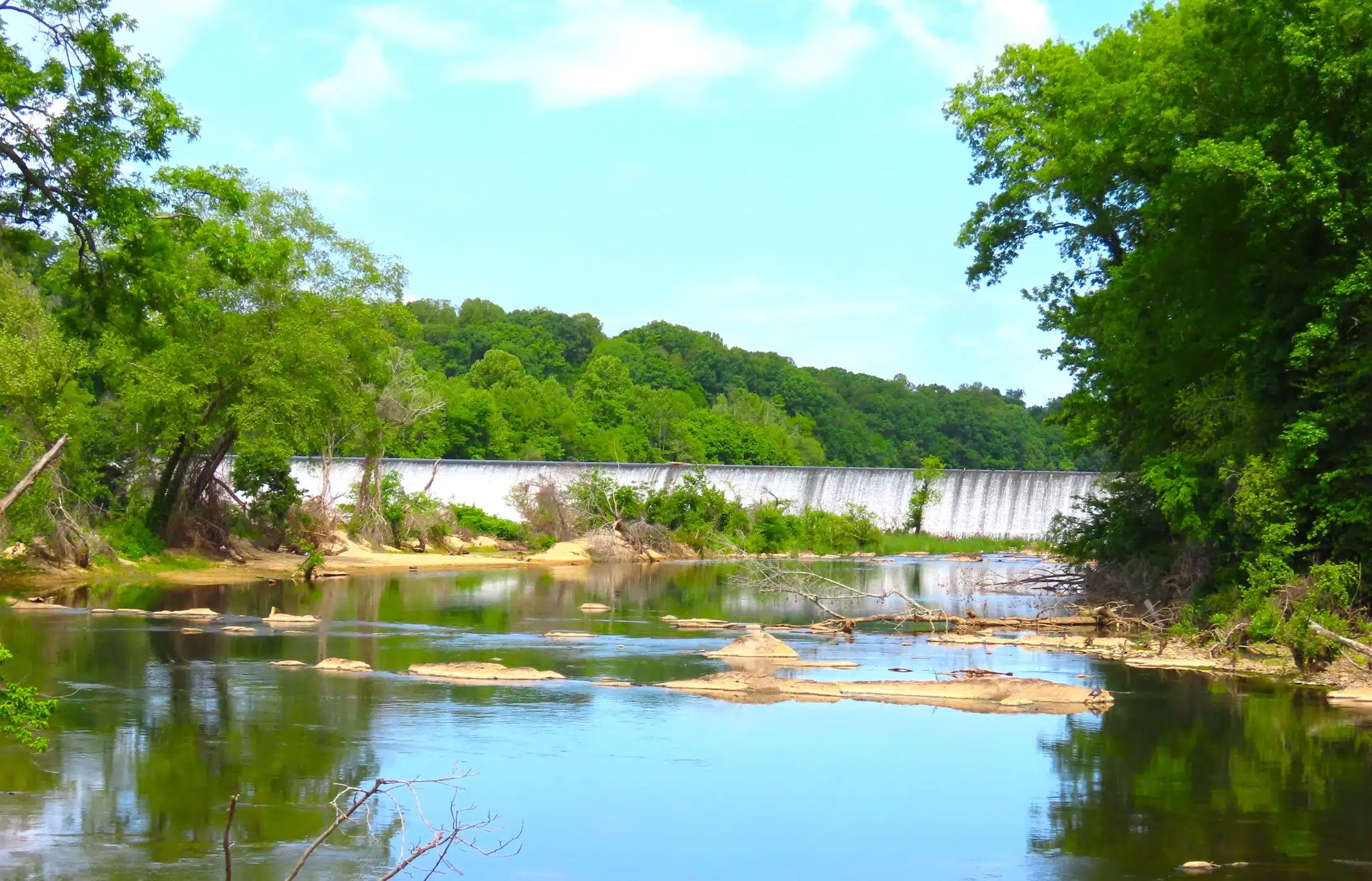
- An old hydroelectric dam on the Haw River at Saxapahaw
-
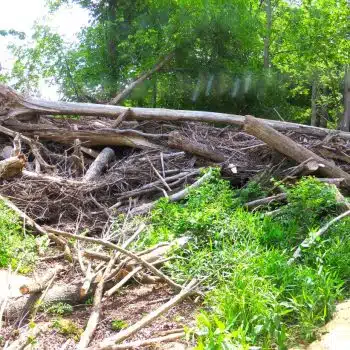
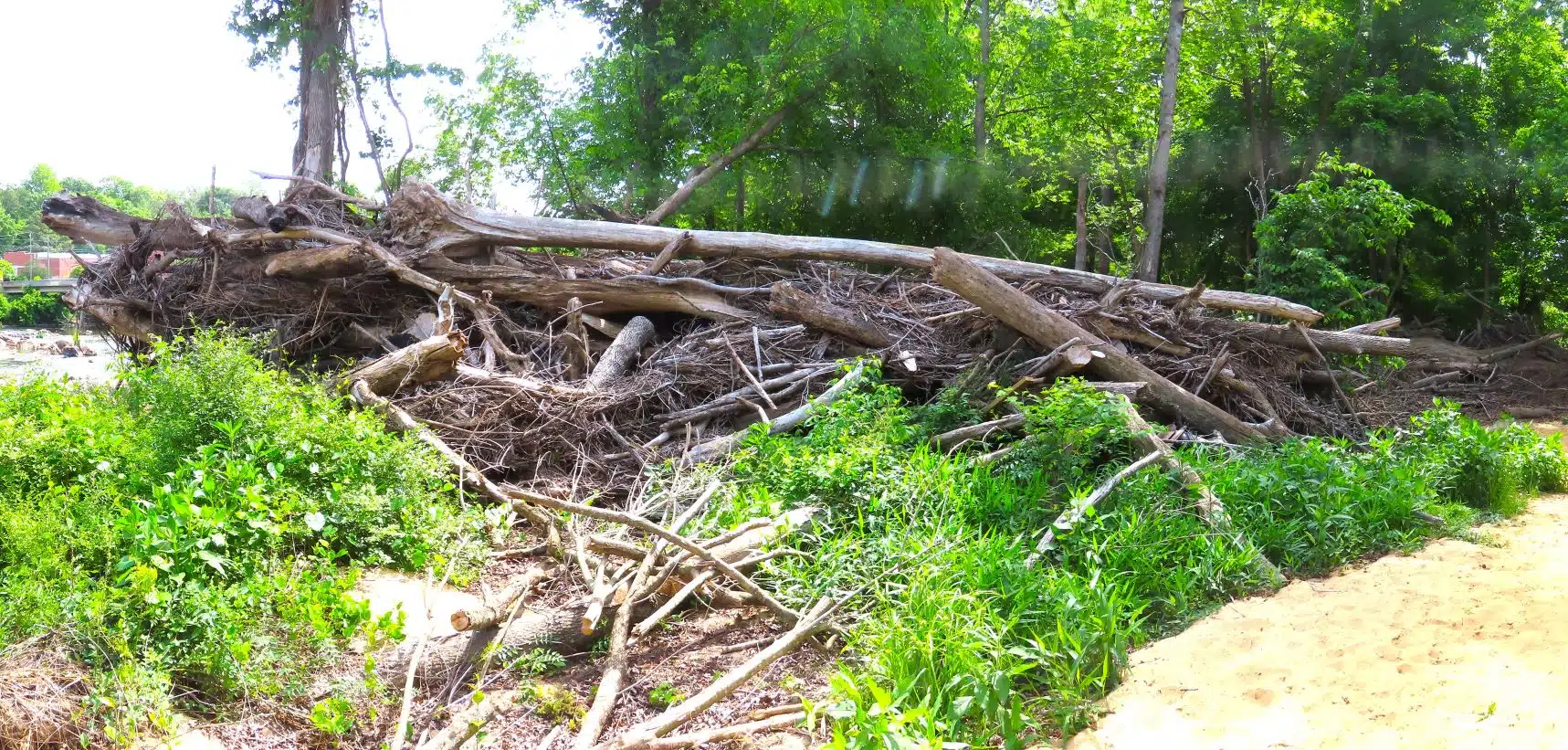
- Flood debris on the Haw R from Chantal on 7.6.25
-

- The astonishing flower of the tulip tree magnolia

-
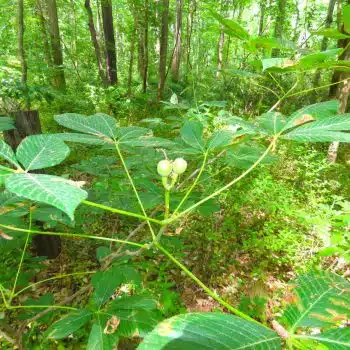
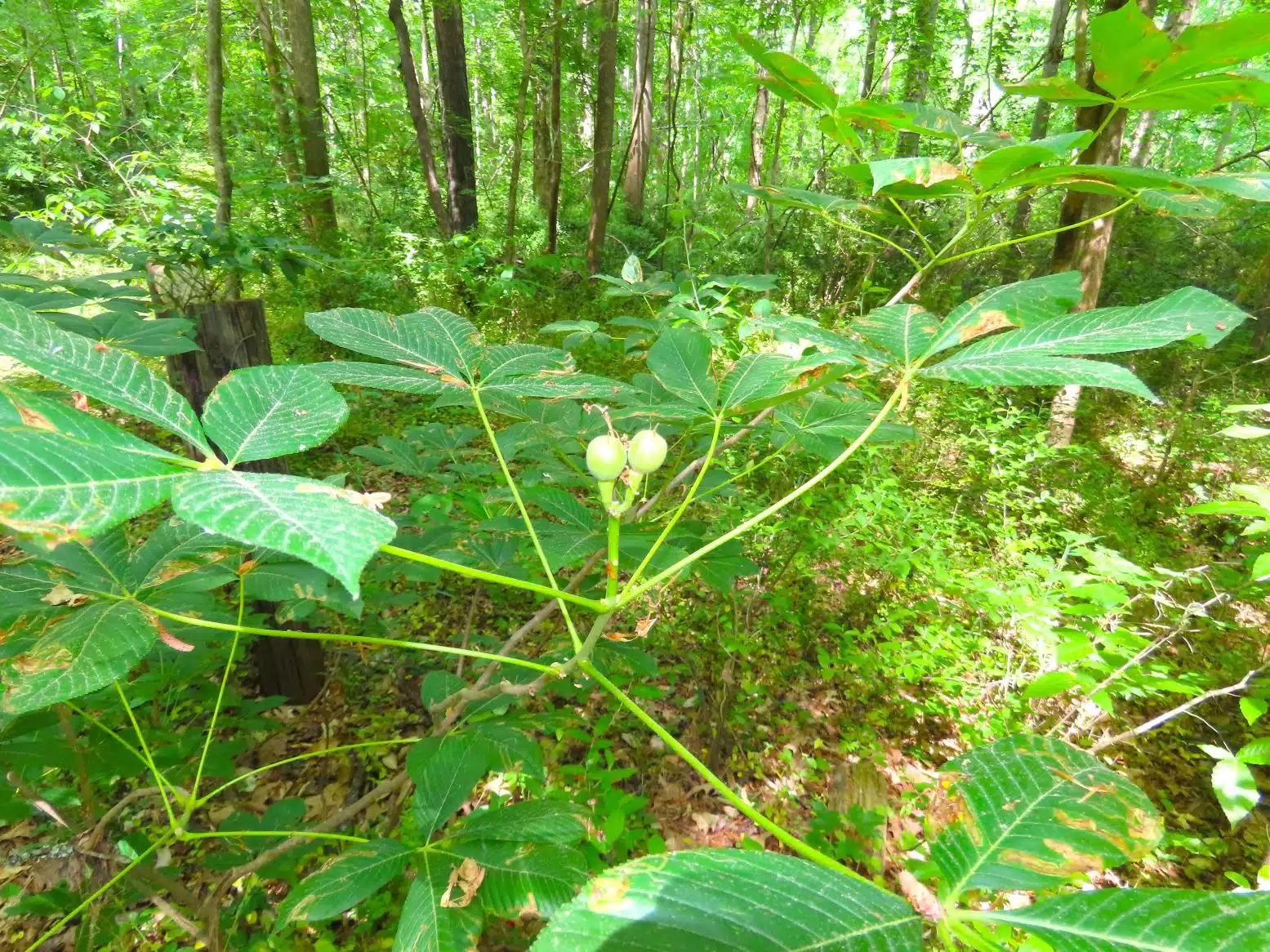
- Fruit of the painted buckeye
-

- A FOS silver spotted skipper basking

-
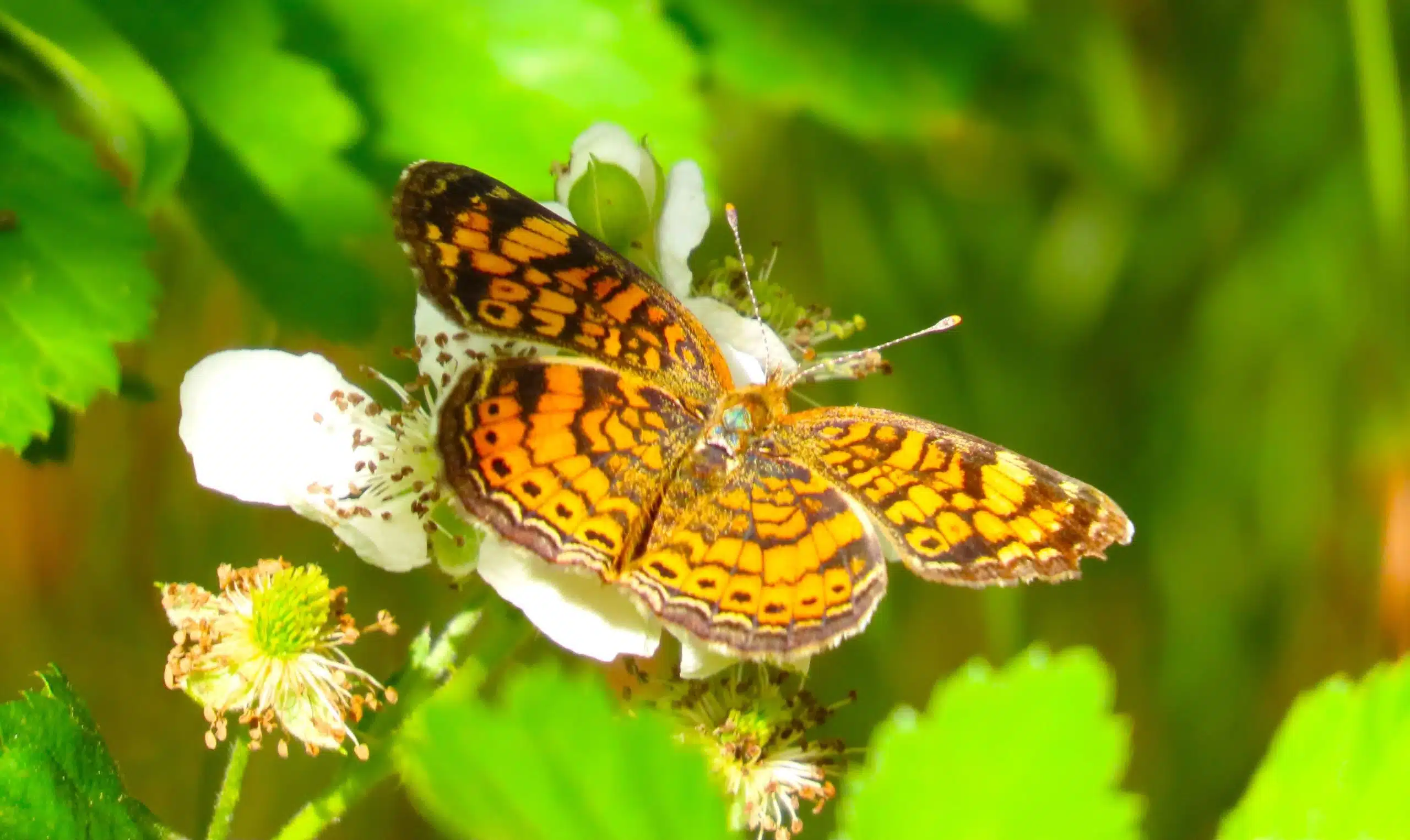
- A pearl crescent finds nectar on a blackberry flower
-
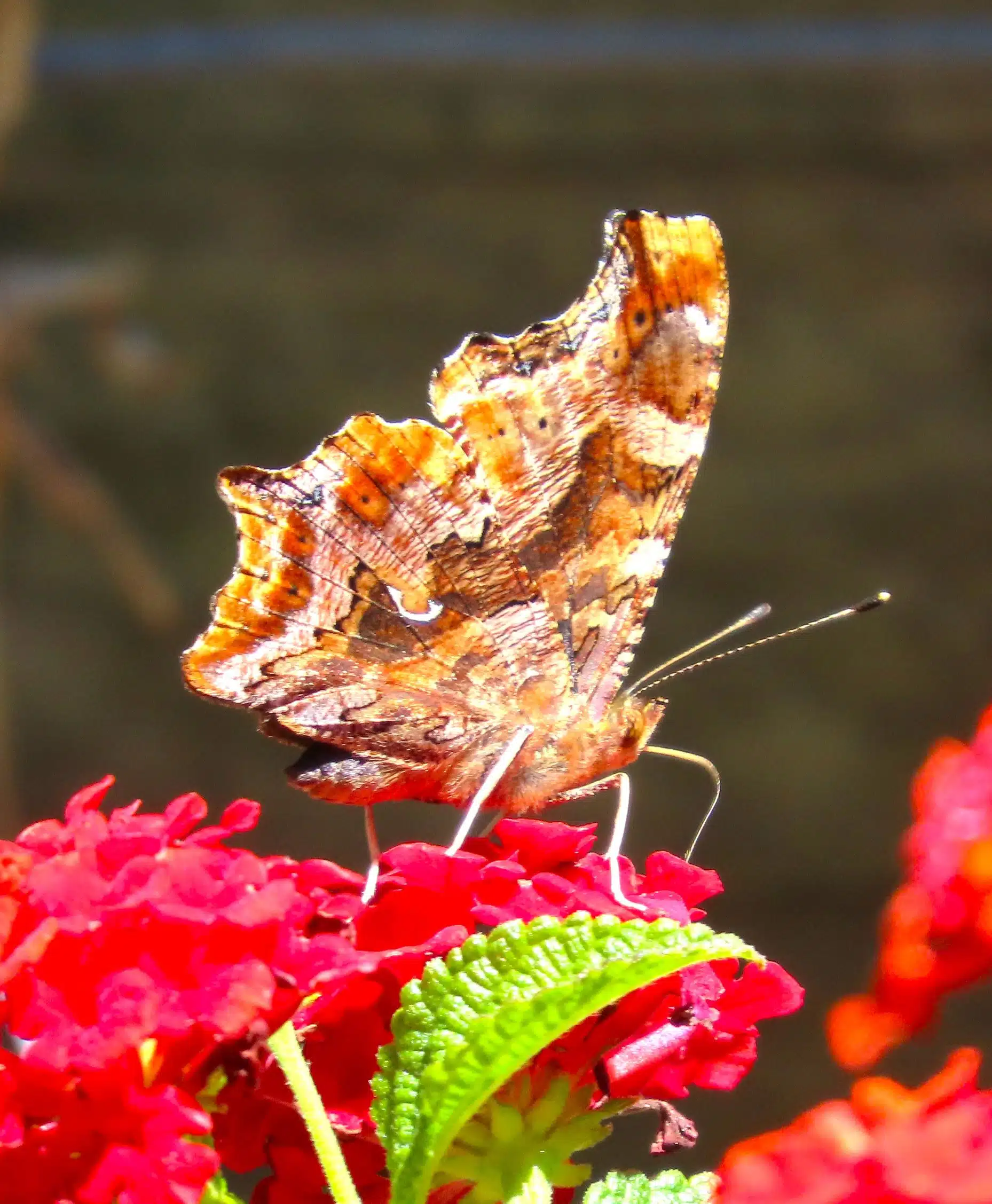
- The outside wings of a comma butterfly
-
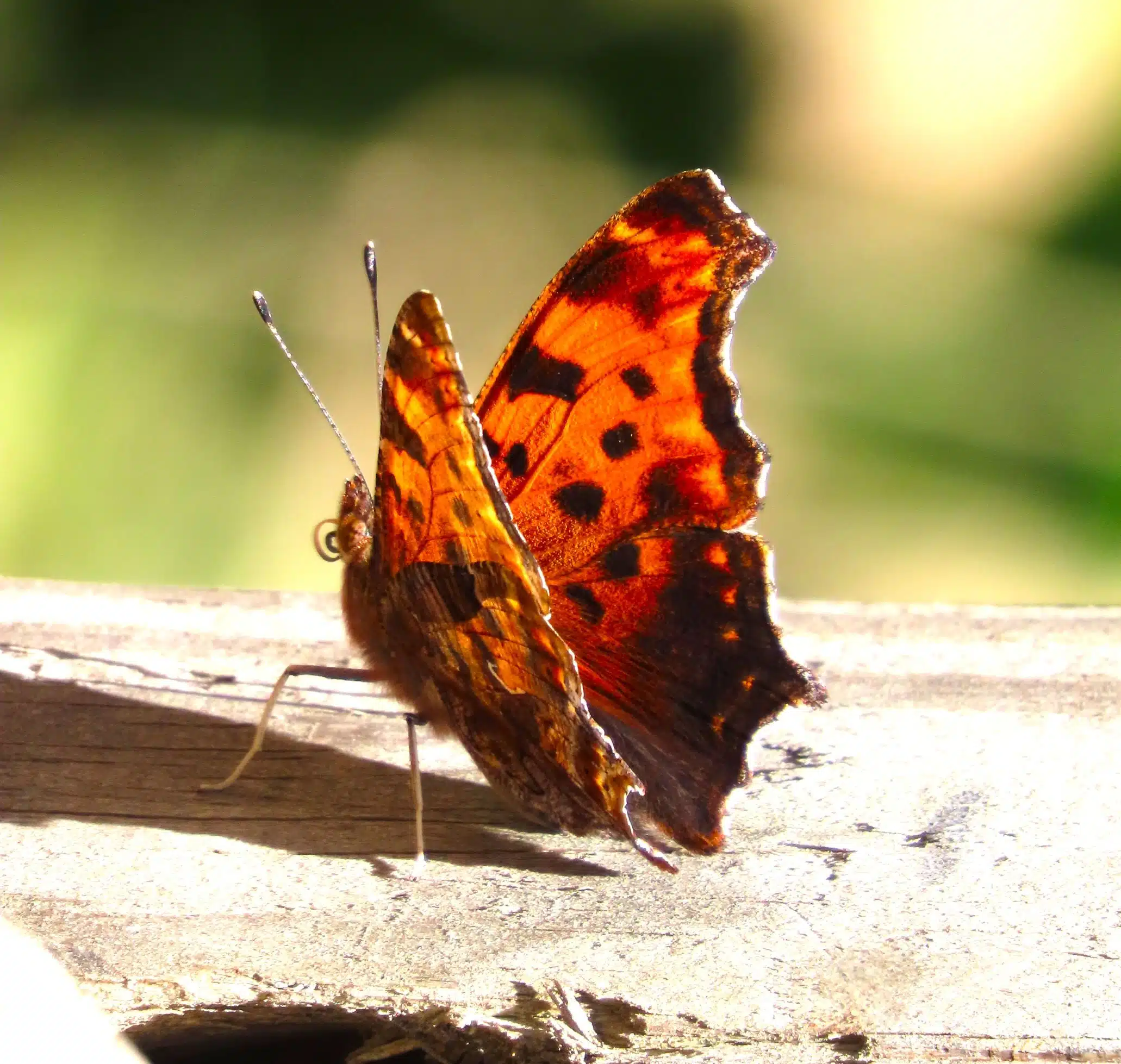
- The inside wings of a comma
-
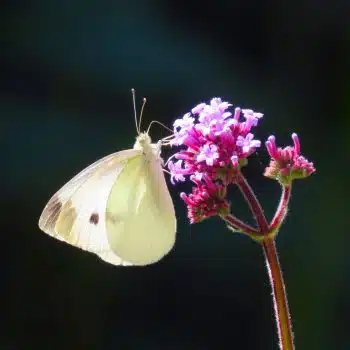
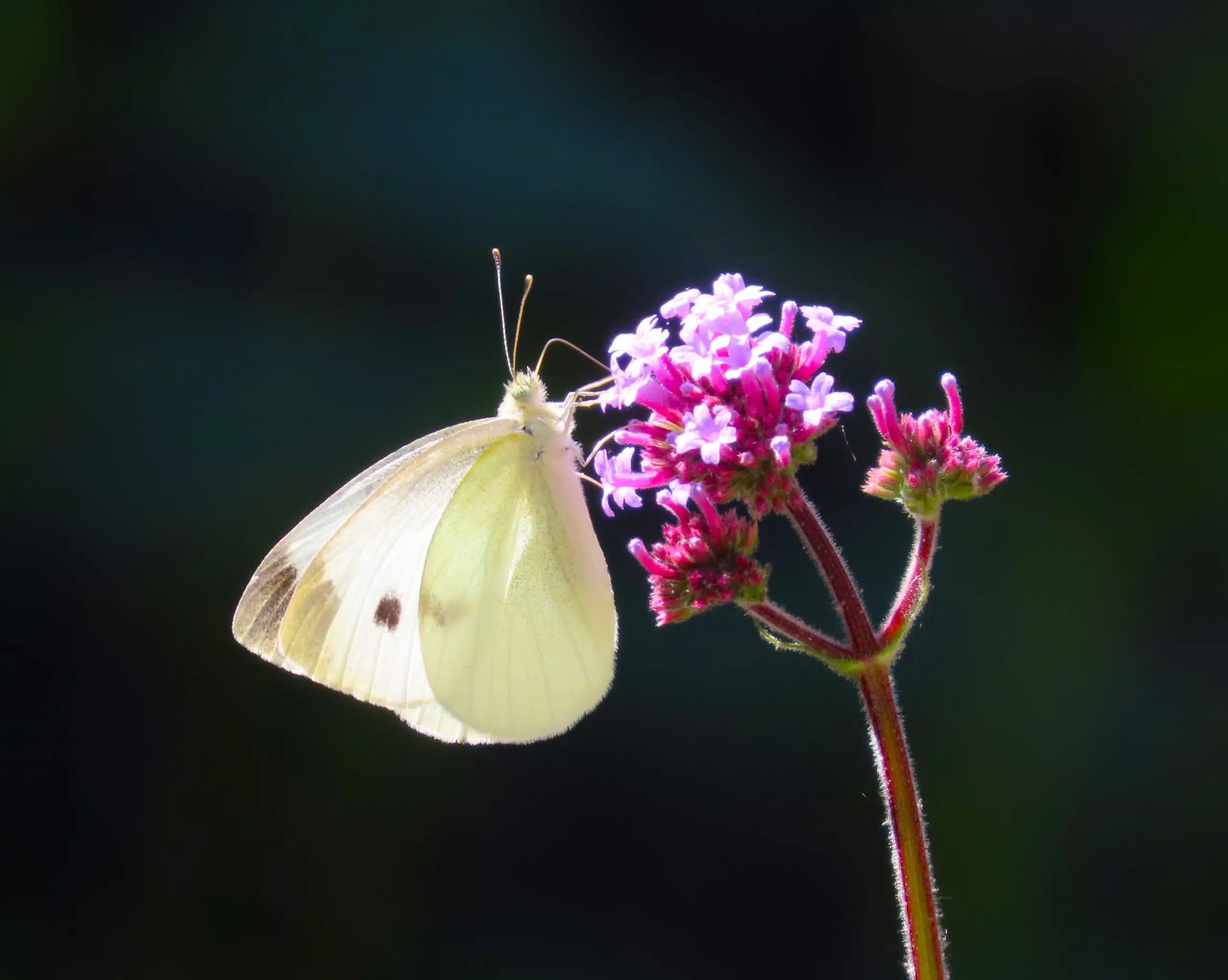
- A cabbage whitfeeds from a Brazilian vervain
-

- The juvenile five lined skink has a bright blue tail

-

- A breeding spotted sandpiper feeds along the Haw river

-

- A male pileated woodpecker is quite striking

-

- A male rose breasted grosbeak finds lunch on his way to the mountains to breed

-

- A yellow rump warbler stops on the way north for a drink

-
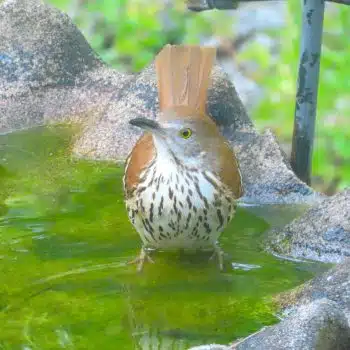
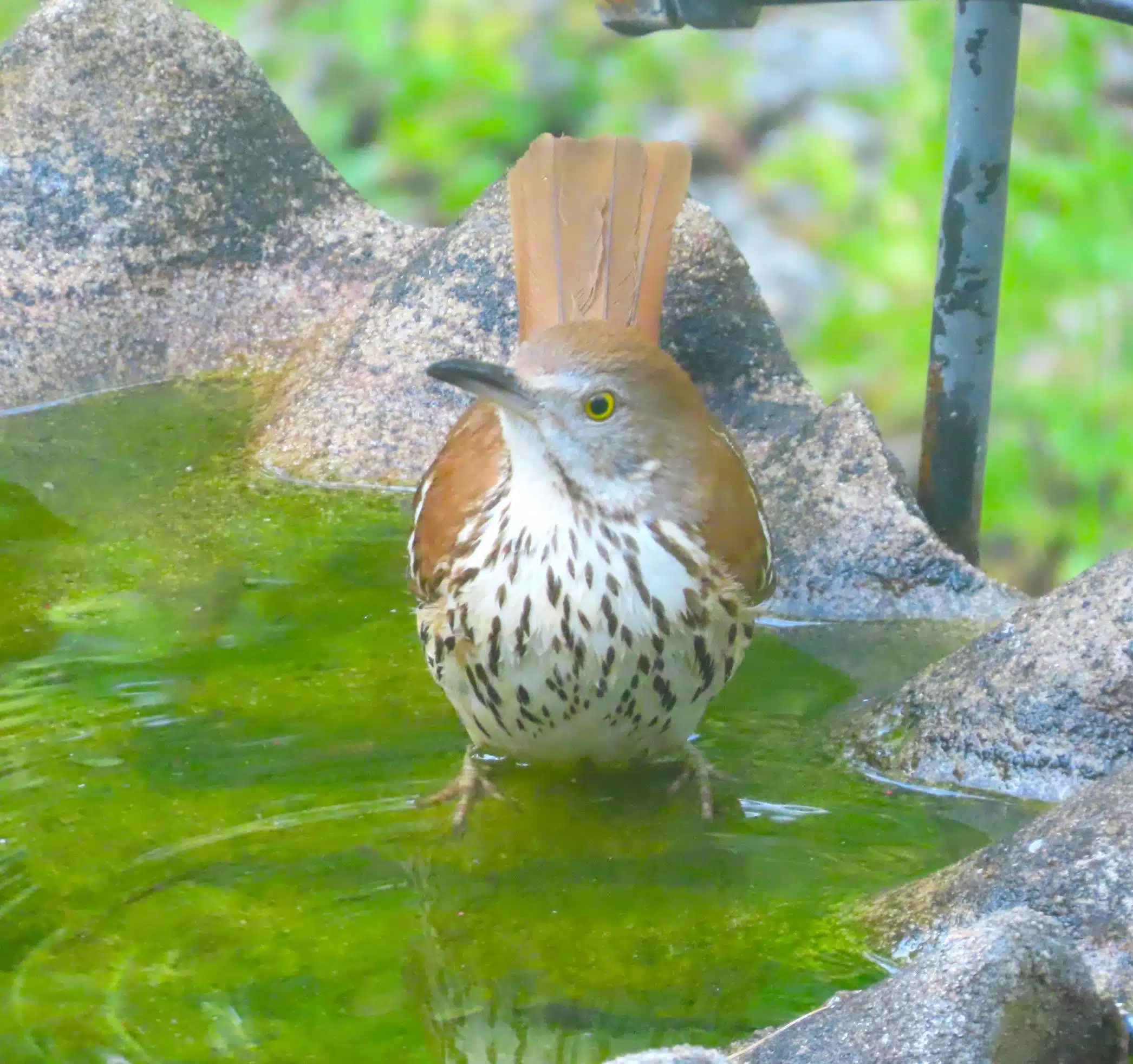
- A resident brown thrasher enjoys a cool bath
-
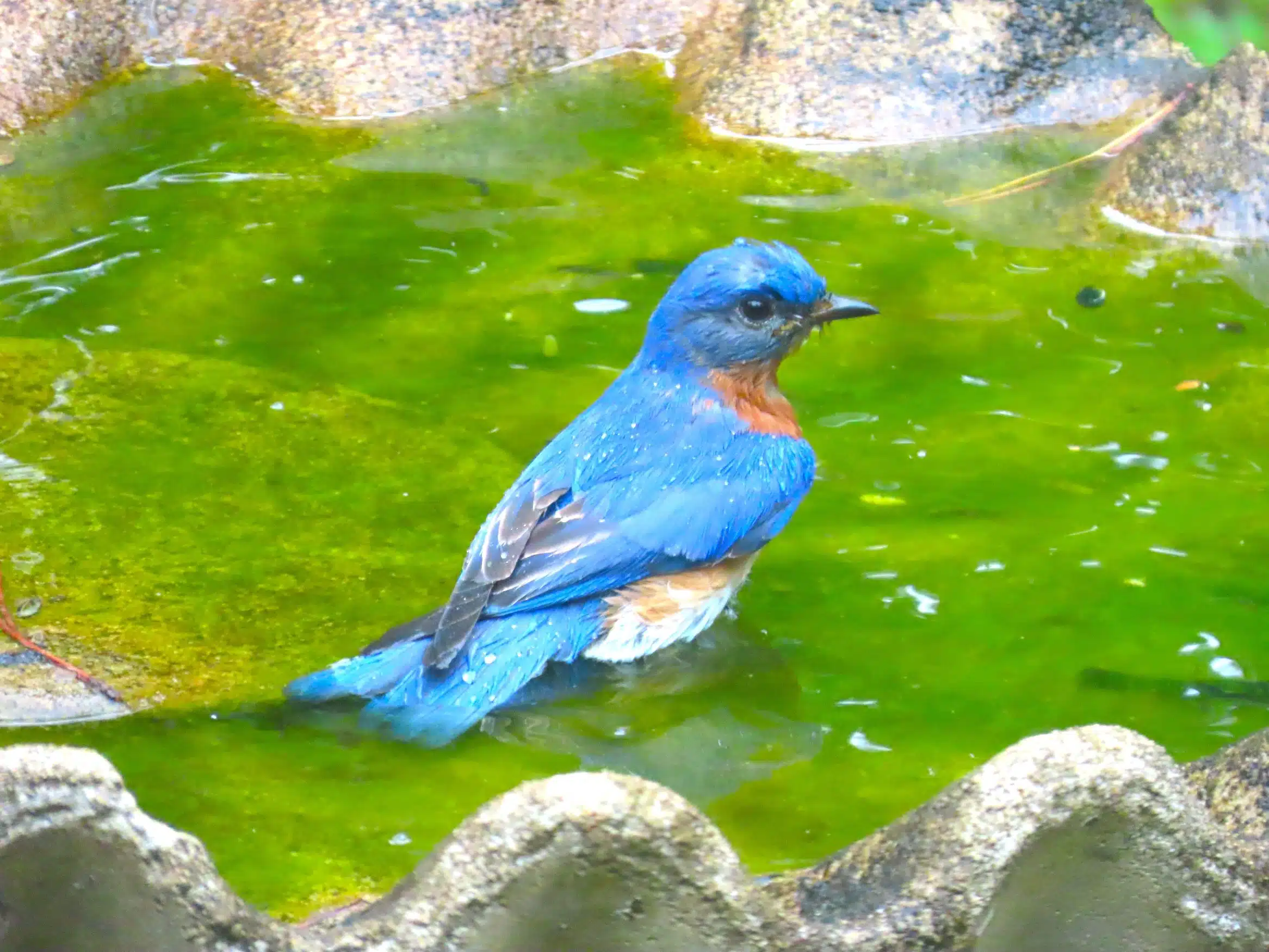
- A male bluebird takes a bath
-

- A breeding prothonotary warbler takes a thorough bath

-
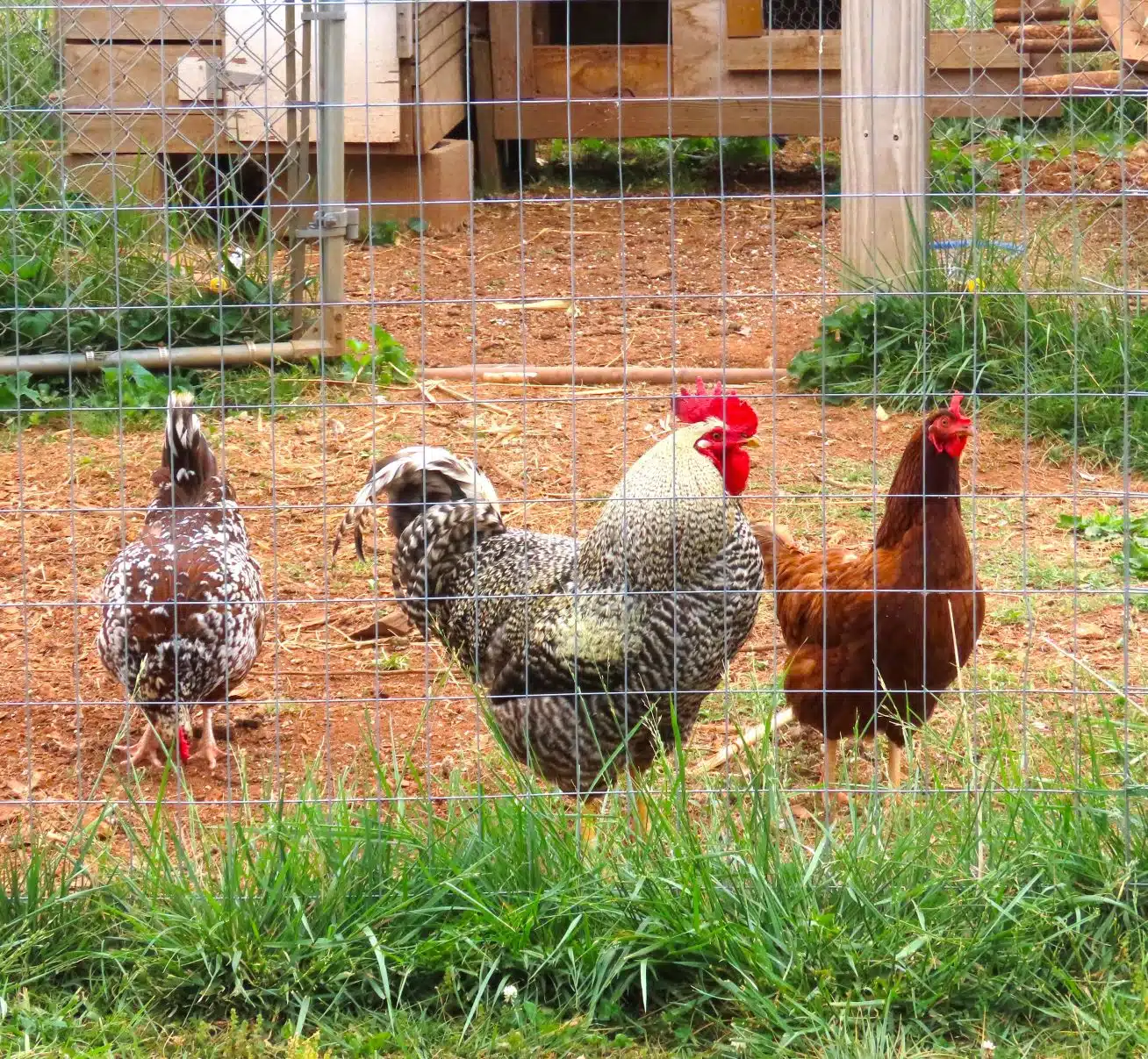
- Chickens provide many interesting behaviors
-

- White pelicans on their summer range in Utah

The weather always seems to provide a reason for complaints since it is so variable and unpredictable. At the moment it has been very cold in the morning and generally warm/hot in the afternoon. But there have been several freezes and extremely dry weather. If you have a garden planted or a flower bed you will be watering them regularly or seeing desiccated plants. This dry state is obvious by the current very low level (less than 2 feet) of the Haw River all along my eastern border. Water is still flowing over the Saxapahaw dam but it is minimal. This dam is one of hundreds that restrict movement of migratory animals in the Cape Fear River Basin. But remnants of a massive flood are still quite evident in flood debris from hurricane Chantal less than one year ago on July 18, 2025, when the river reached 32 feet ! The general state of drought that permeates most of the US is leading to a situation where water is becoming one of the most valuable commodities to human civilization.
In walking my woods trails I see very few flowers and fruits due likely to the drought. One exception is the last flowers of the native magnolia tulip tree- some of which are falling to the ground. They are quite magnificent and represent a source of nectar for hummingbirds having to scrounge for flowers. The numerous painted buckeyes in the woods have long bloomed out but there are a few fruits appearing. This species is quite common in the woods in part due to its toxic nature and removal of many palatable competitors by hungry deer.
Although flowers are at a premium, butterflies are starting to appear in small numbers. This was the first silver spotted skipper I have seen and it will be very common later in the season. Pearl crescents are appearing in greater numbers and finding some nectar in the abundant blackberry flowers. I have seen a few comma butterflies and am always impressed by their beauty- the outer wings are extraordinarily well camouflaged. The inner surfaces are much more colorful, likely for the purpose of species identification. The non-native cabbage white is nectaring on flowers of the Brazilian vervain.
My favorite lizard- the skinks are suddenly active in sunny spots. This juvenile five lined skink has a bright blue tail which likely has two purposes- it warns predators of potential toxicity when eaten and directs strikes to the tail and away from the vulnerable body. The other most commonly seen reptiles now are numerous basking turtles along the river and black rat snakes.
The predominant wildlife of interest this time of year are the birds, both migrants and breeders. Spotted sandpipers with their distinct breast pattern are breeding along the river and some may still be migrating north. Pileated woodpeckers (in this case a male) are very noticeable due to their loud calls and the noise made by their excavation of rotten branches. I am still seeing an occasional rose breasted grosbeak at my feeder but they are shy and are all heading to higher elevations and latitudes to breed. Similarly yellow rump warblers are passing through on their way to northern breeding sites. Brown thrashers are one of my favorites and they are local breeders as are bluebirds. The prothonotary warbler is a common breeder along my floodplain in holes often heard but rarely seen. My dripping water bath tempts them to come for a thorough dunking. One of the more interesting group of birds nearby is my grandson’s chicken coop. They are thoroughly domesticated and very vocal; they always show a lot of striking behavior as they vie for dominance. Finally my daughter in Park City, UT, sent me a photo she took of two white pelicans feeding in a fresh water stream. I am very familiar with white pelicans in SW FL which spend the winter in salt water so it is interesting to see how some of them live in the spring/summer. I assume these will be moving on to large lakes where they will be able to find an adequate fish supply.
I hope each of you is taking time every day to enjoy the Spring season. Every year seems to have a different pattern of weather that affects how animals and plants survive. A wonderful idea being promoted is to take steps in your own tiny yard world to improve the lives of those marvelous wild creatures we share the planet with.