

-

- A Halloween sunrise over my dock on Lemon Bay

-
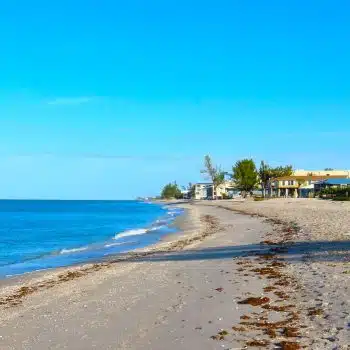
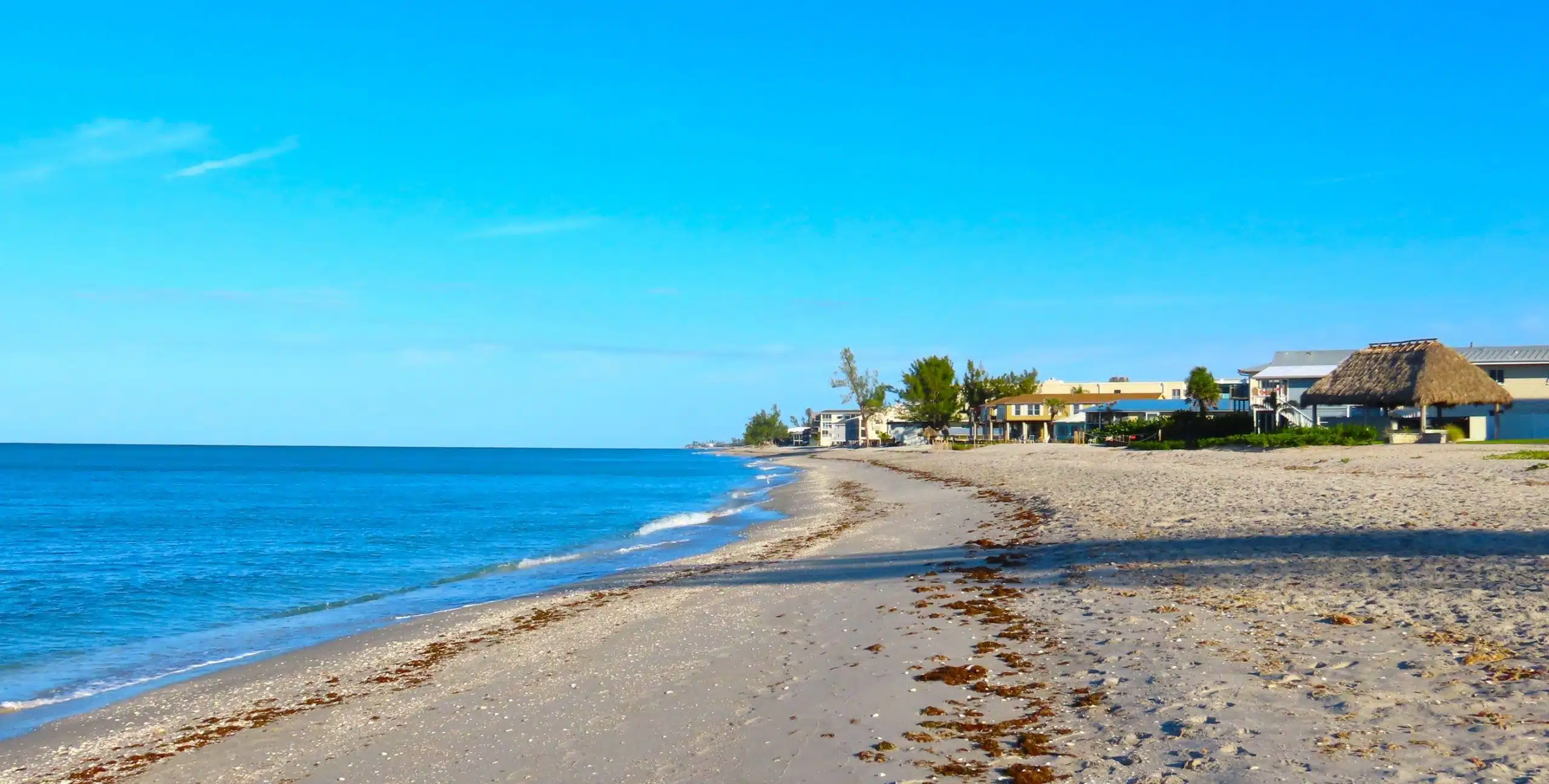
- The beach on Manasota Key can still be quiet in the morning
-

- A wintering sanderling that was banded at Chaplin Lake in Saskatchewan

-

- A wintering black bellied plover

-

- A young snowy egret is an awesome sight

-
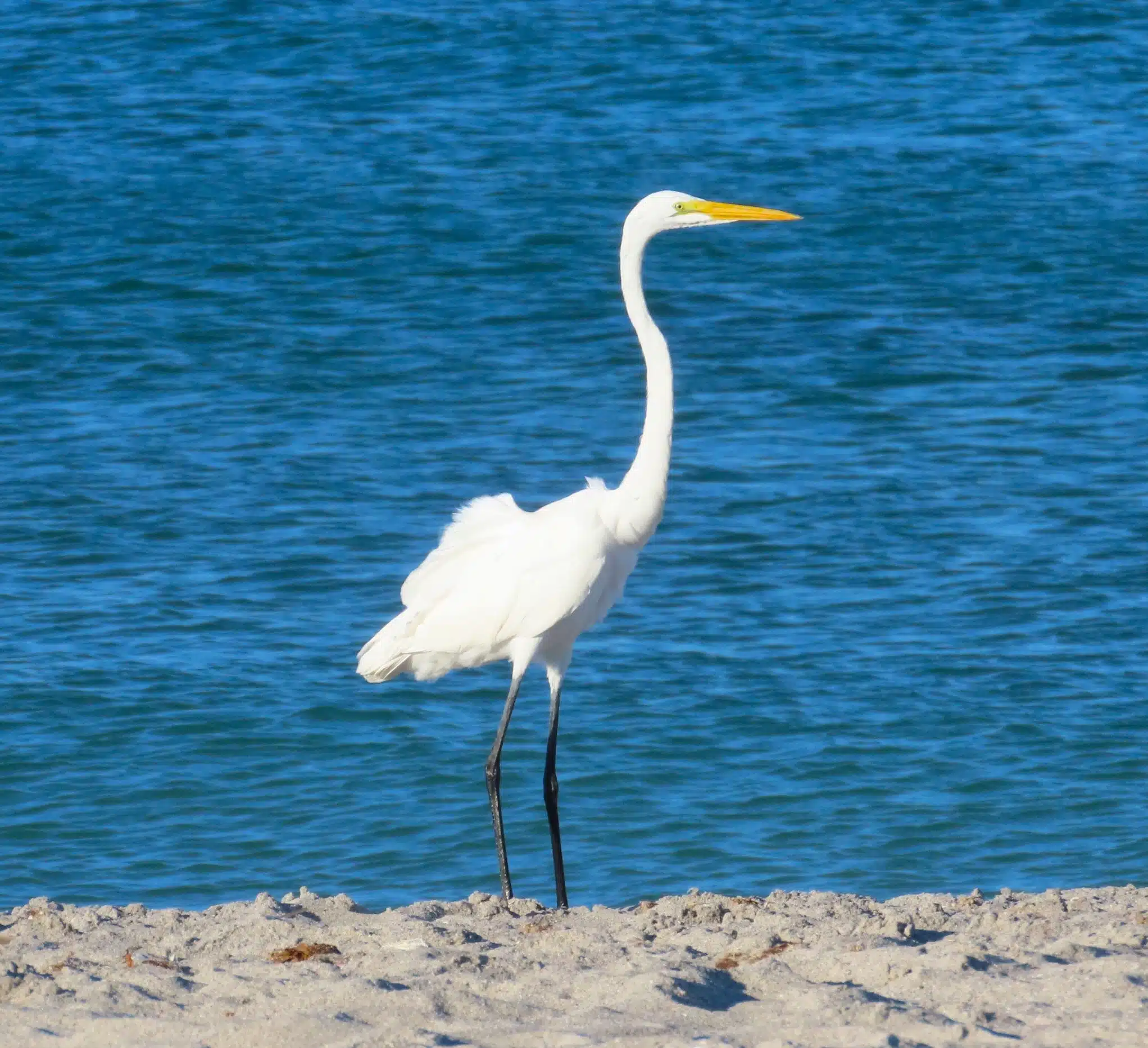
- A great egret shares the beach wiith other birds and people
-
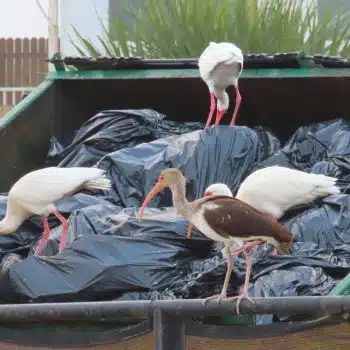
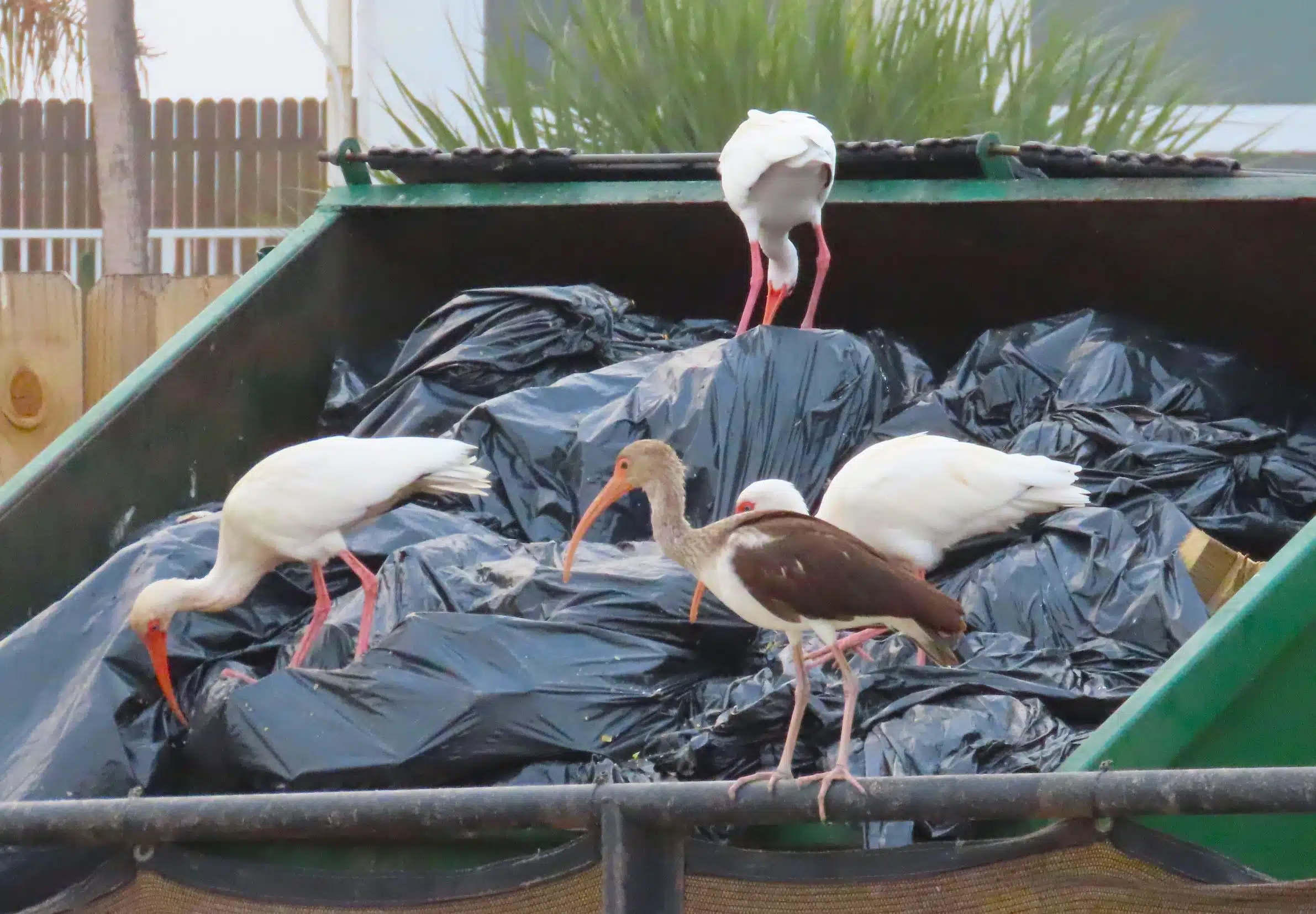
- White ibis have learned to search for food wherever they can find it
-

- A male prairie warbler visits my water bath daily

-
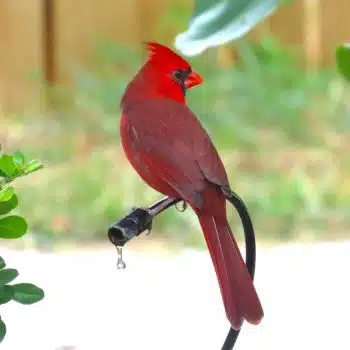
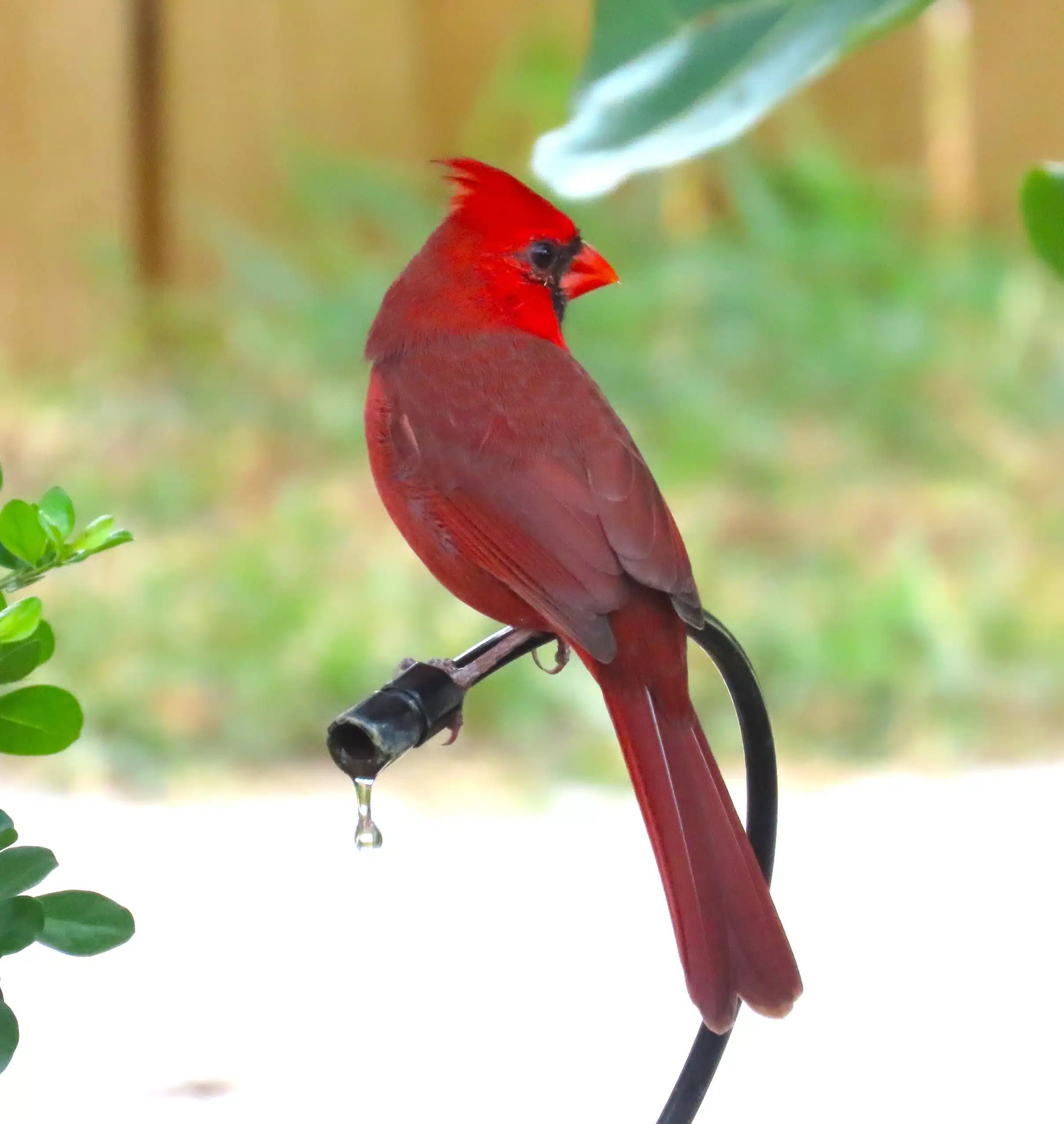
- A male cardinal drinks from the drip
-
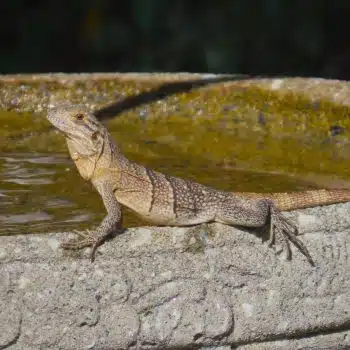
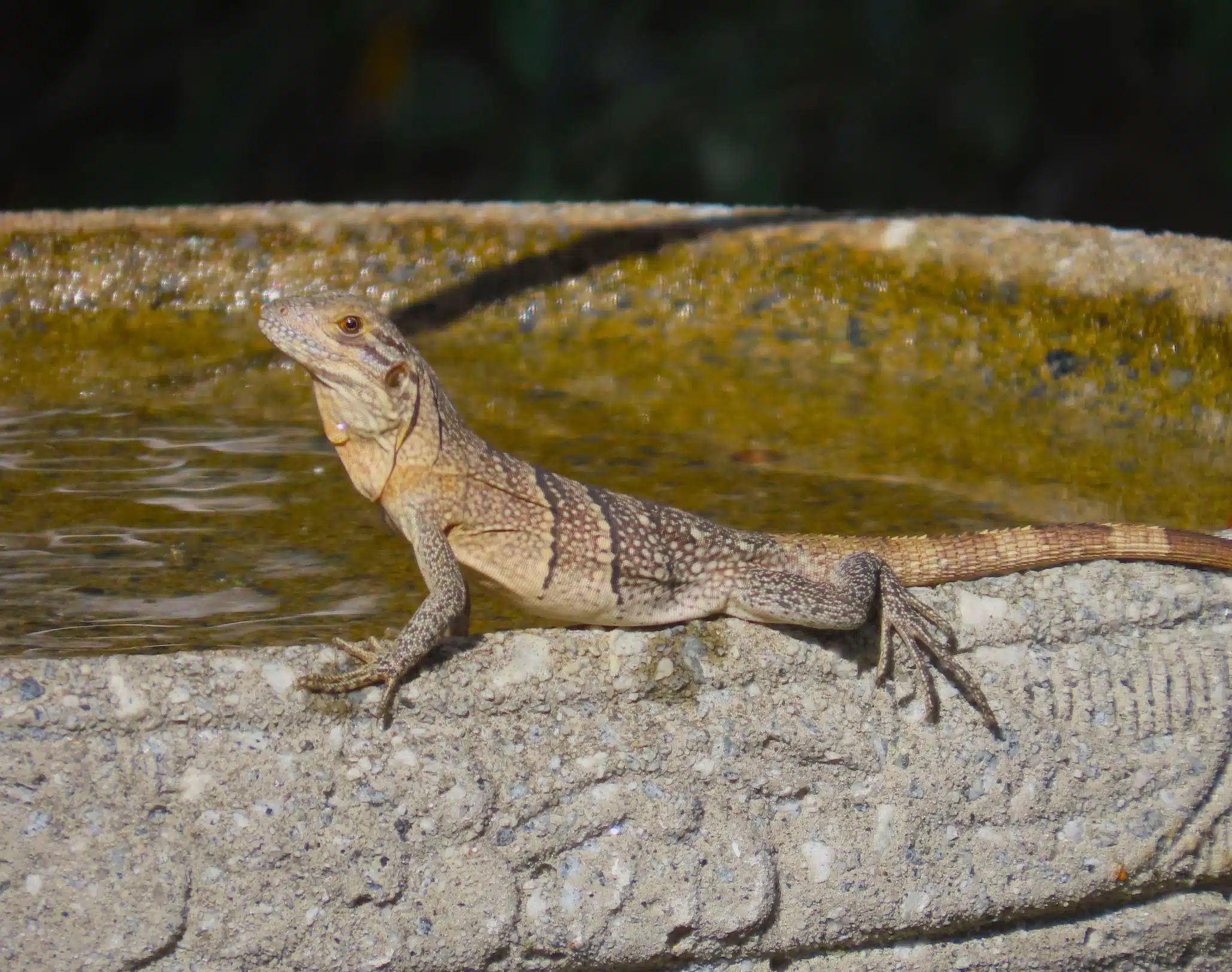
- A young iguana drinks from the bird bath
-
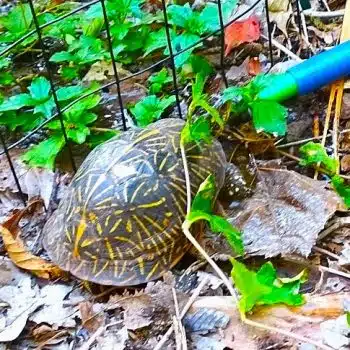
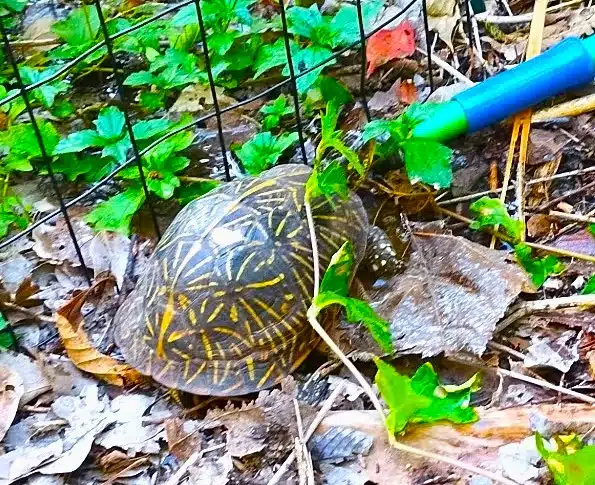
- A box turtle drinks from a hose
-
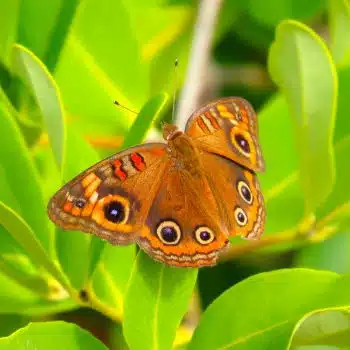
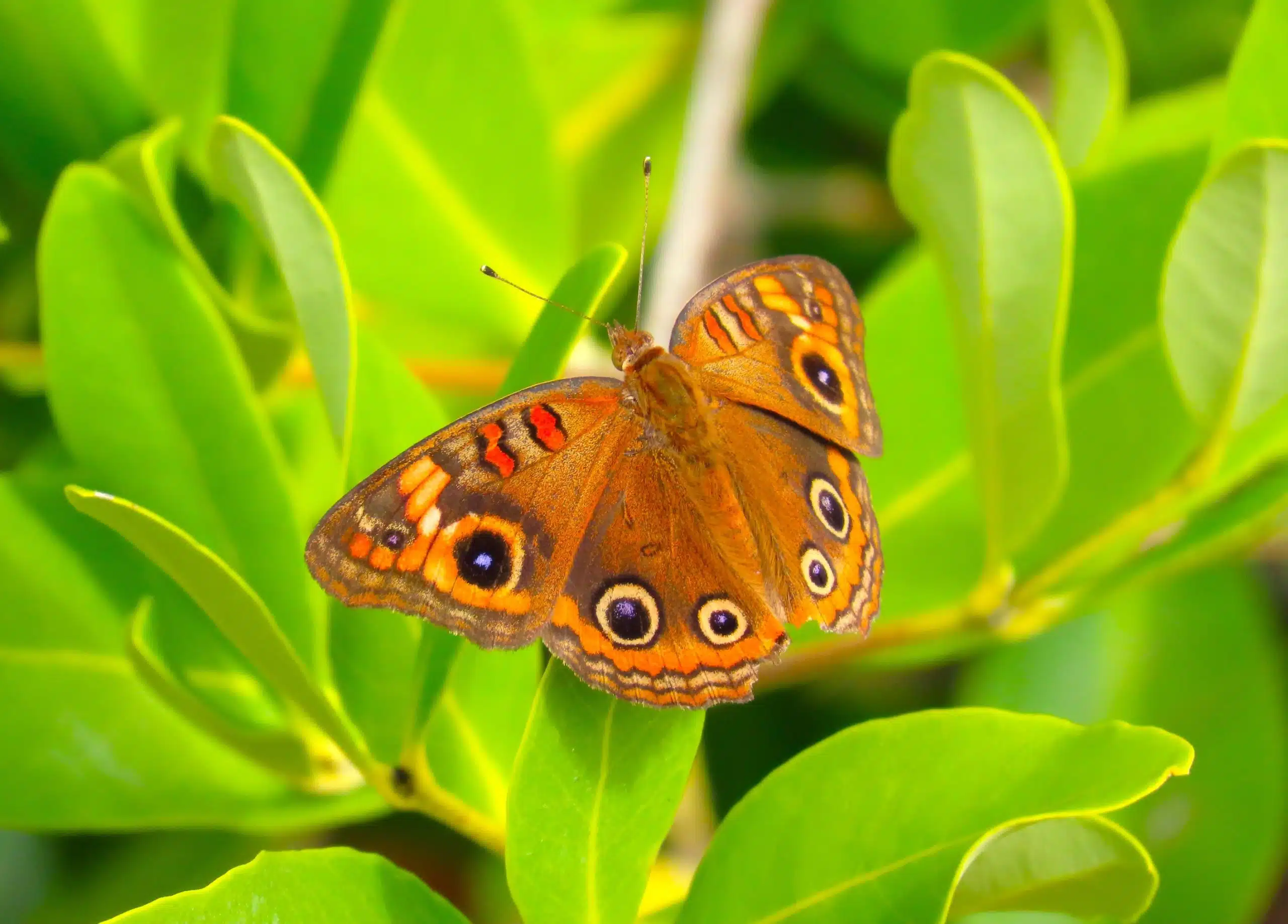
- The extraordinary mangrove buckeye is found only in mangrove areas
-

- The white peacock butterfly is always near its larval food plant

-
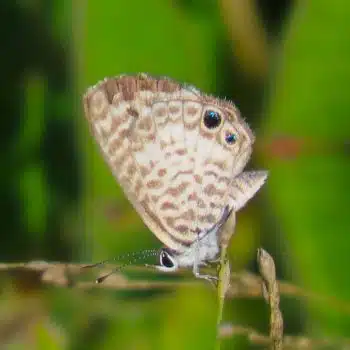
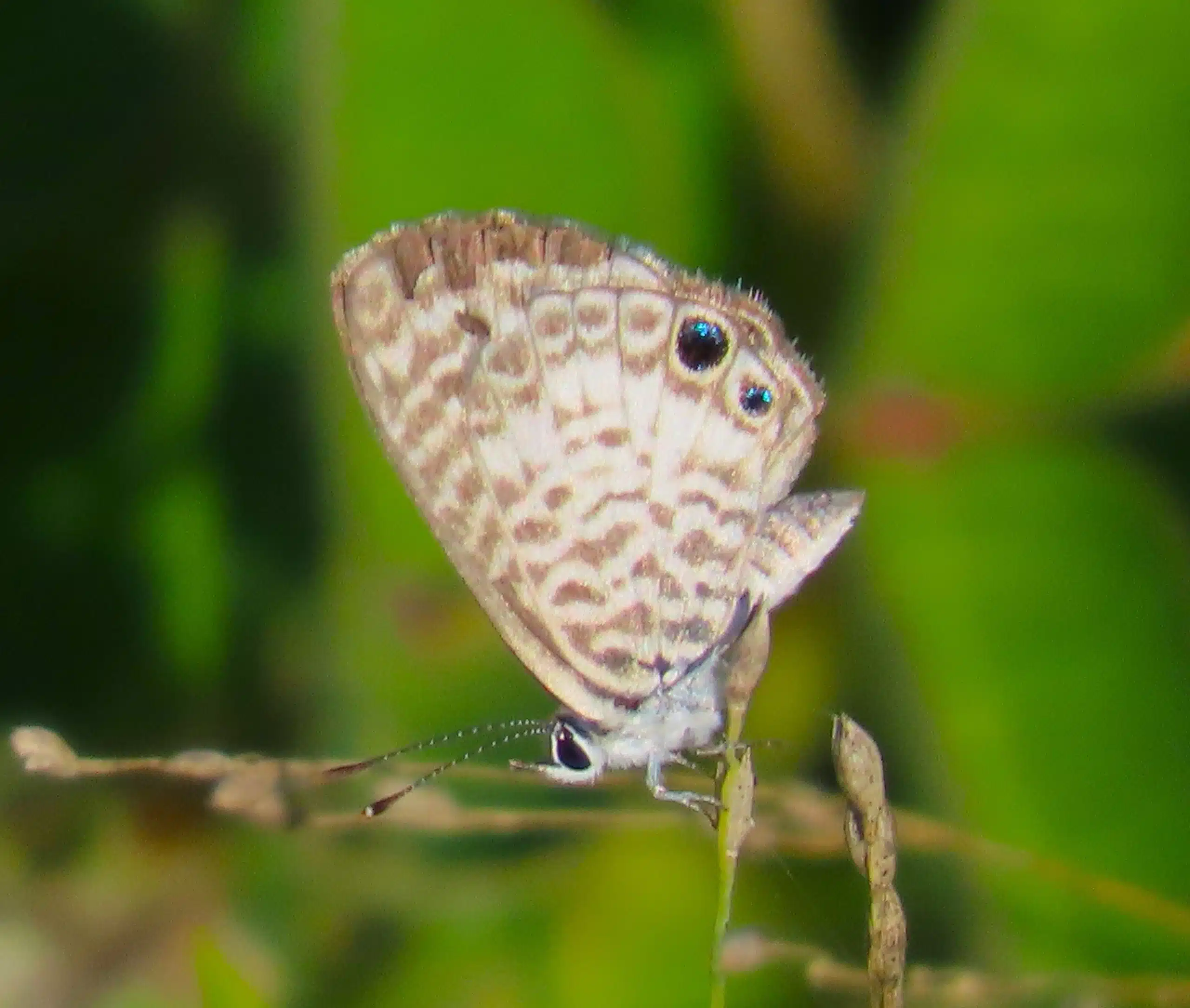
- The Cassius blue butterfly is a tiny gem
-
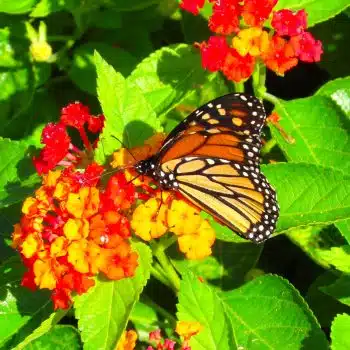
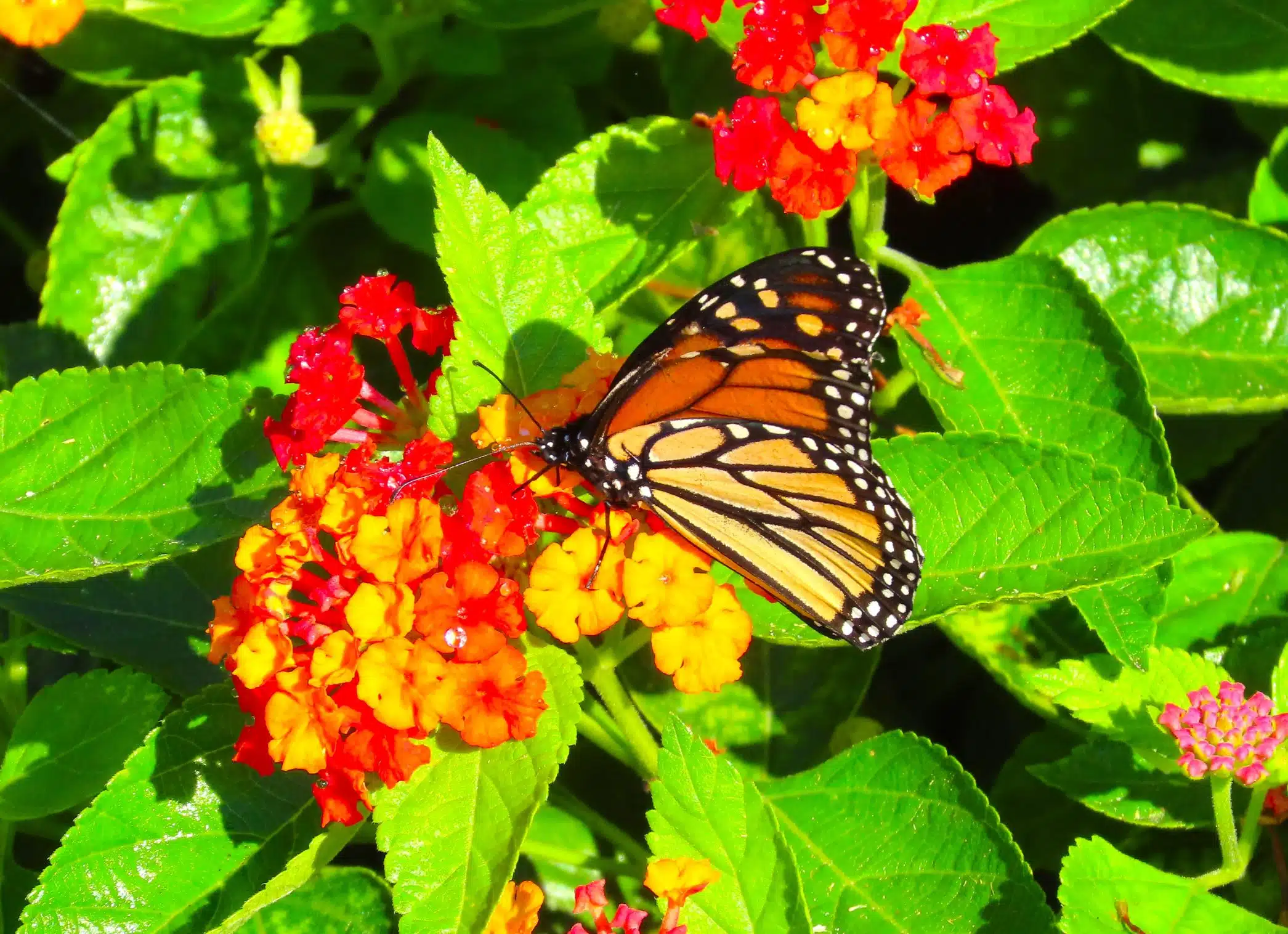
- A monarch finds nectar in lantana flowers
-

- A long tailed skipper drinks from lantana

-
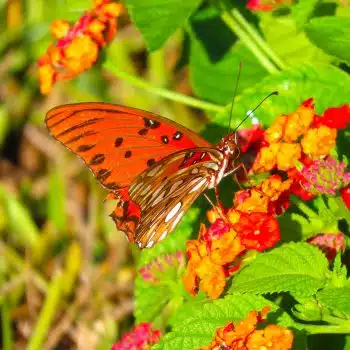
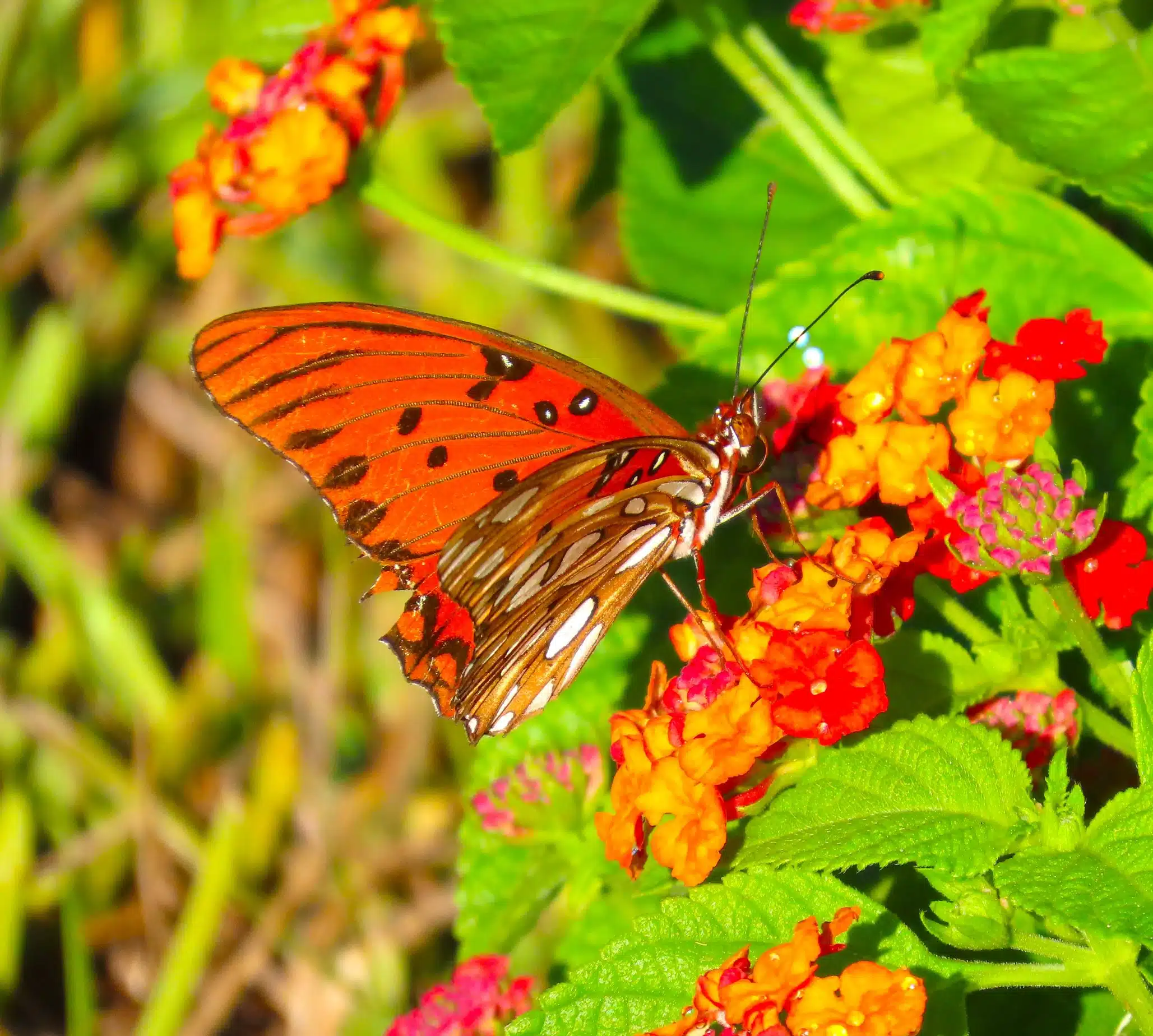
- A Gulf fritillary is attracted to lantana flowers
-
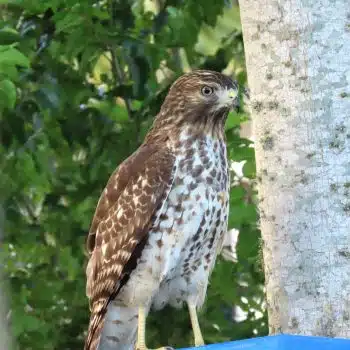
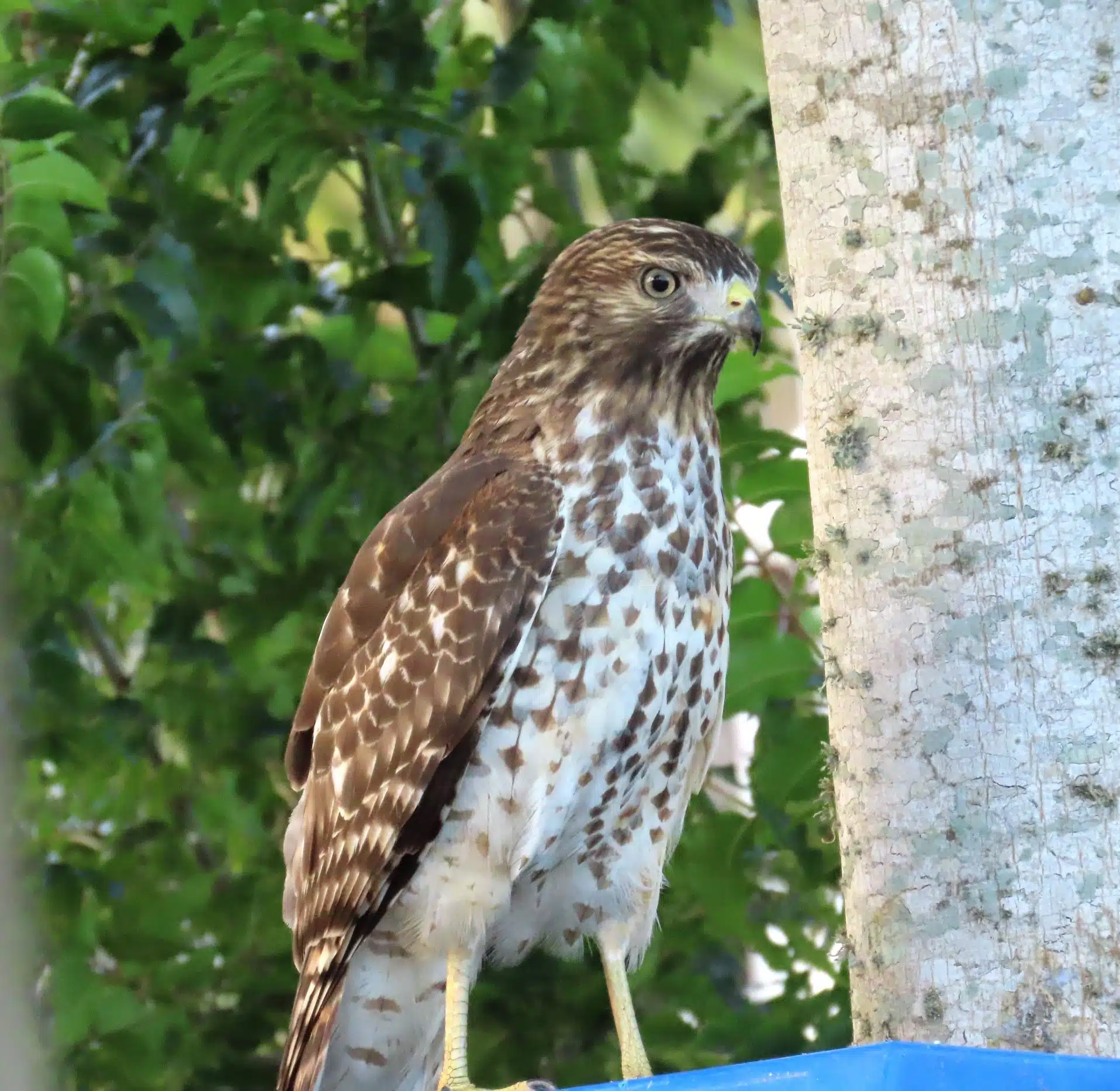
- A young red shouldered hawk is a regular visitor to my yard looking for prey
-
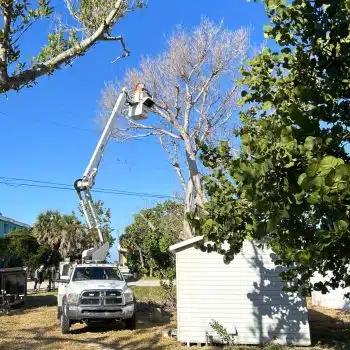
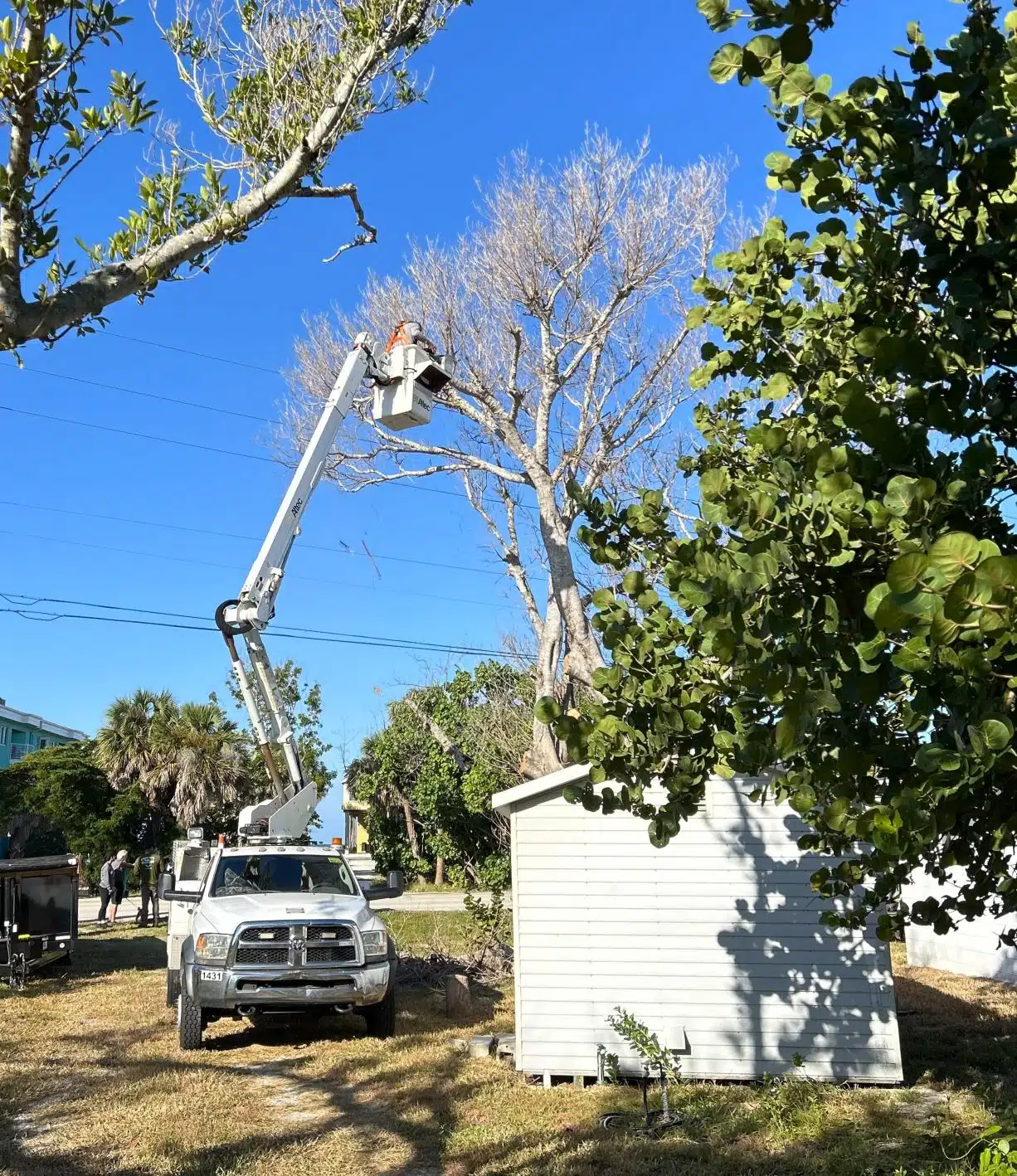
- The death of an 80+ year old strangler fig by sea water is a portent of the future
By the end of October air temperatures start to drop in a noticeable fashion and I turn off my air conditioner. You no longer have to limit your outdoor activities to the morning to escape the afternoon heat. Yet the human “snowbirds” are still relatively scarce and you can enjoy a morning sunrise and walk on the beach sometimes without seeing more than a few people. There are quite a few birds feeding on the beach- one of the most beloved is the sanderling- a tiny sandpiper that races up and down in front of the waves. Few realize what a miraculous bird this is that migrates thousands of miles to the Arctic to breed. Indeed back in the day when I spent lots of time on Palm Island I photographed a sanderling on Oct. 18, 2015, with some amazing “bling.” These bands revealed that this bird was marked on Chaplin Lake, Saskatchewan, Canada. This is a huge saline lake that supports billions of brine flies and midges that are eaten by migrating shorebirds as they fly northward. So as you are walking on the beach and perhaps looking for shark teeth take a moment and look at the legs of the shorebirds to see if they have been banded.
There are also many other birds on the beach. Black bellied plovers are distinctive although they lack the dark belly when not breeding. Snowy egrets are quite beautiful and show off their bright yellow feet which are used to flush fish from their hiding places. This snowy also has yellow on the rear of its legs indicating it is a juvenile. The snowy and the great egret are white their entire lives and this color may be related to their hunting habit of catching fish from above the water- white is harder to see against a bright sky background than a dark coloration. Both of these species have adjusted well to human invasion of their habitats. But perhaps less well than the white ibis shown here feeding in a dumpster across from the beach. As disgusting as this is, it represents a practical change in behavior of some birds in response to human modification of their habitats.
Manasota Key is a barrier island and as such has no surface freshwater available except after rain. But in Fall there is little rain so many birds obtain water by feeding on droplets of dew on cool mornings. I offer water in dripping bird baths and find that many species appreciate this resource. This male prairie warbler which might be a locally breeding bird comes to one of my three baths daily. Cardinals drink daily also and primarily use the drip rather than the pool of water below. Even my uninvited iguanas will drink from the baths. Box turtles tolerate dehydration better than many species but take advantage of any opportunity to drink- this turtle found a running hose put out to water plants.
Butterflies face a problem in Fall/Winter in that few native plants produce flowers with nectar then. In a mangrove area I found a mangrove buckeye and a white peacock active in the morning but not visiting flowers which are scarce to non-existent. But the buckeye finds black mangrove which is a food for its caterpillars, whereas the white peacock lays its eggs on Bacopa which grows in the estuarine swamp edges. The Cassius blue lays eggs on legumes and other plants and can feed on a variety of very small flowers.
One solution to the problem of scarcity of nectar producing flowers in Fall/Winter is to plant non-native species such as lantana whose flowers are very attractive to nectar feeding butterflies. Some will discard this approach because they refuse to plant non-natives which might be invasive. But I dead head (remove seed heads) from these plants and find them indispensable for maintaining butterflies in a winter garden. Thus you will see here three photos of a monarch, a long tailed skipper and a gulf fritillary feeding on nectar of lantana.
I do my best to encourage a wide variety of animals in my tiny 0.7 acre yard on the shores of Lemon Bay. One measure is that over 30 years we have recorded an astonishing 161 species of birds and numerous reptiles and insects. Another measure of ecological health is that we have predatory birds such as this young red shouldered hawk which is I hope catching some of our excess iguanas. There are also about 160 species of plants
A measure of natural ecological change in my yard is the distinct shift in plant species to more salt tolerant kinds. The storm surge accompanying hurricane Milton made some major changes such as the death of this 80-100 year old strangler fig tree. It was cut down this week and some people expressed sorrow about this event. I prefer to recognize this a natural consequence of sea level rise and have adjusted to the inevitable by planting salt water tolerant species such as necklace pod, yellow elder, sea grape, buttonwood, sea hibiscus, white stopper, FL privet, Jamaican caper, and coontie,